Why Your Eyes Are Begging for These Simple Moves
Have you ever stared at a screen for hours and felt your eyes burn, blur, or just give up? You’re not alone. Millions face digital eye strain daily, yet most ignore the solution right under their nose—eye exercises. I tested them myself, and the difference was real: less fatigue, sharper focus, and more comfort. These aren’t magic tricks, but practical techniques backed by eye health science. Let’s explore how moving your eyes—yes, exercising them—can transform your vision routine.
The Hidden Strain: Understanding Modern Eye Fatigue
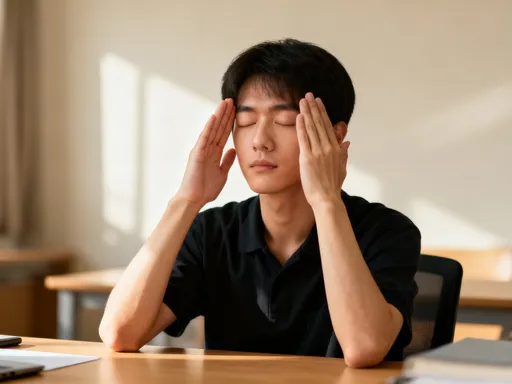
In today’s world, screens dominate daily life. From work computers to smartphones, tablets, and televisions, most adults spend more than six hours a day staring at digital displays. This constant visual demand places significant stress on the eyes, leading to a condition commonly known as digital eye strain or computer vision syndrome. The symptoms are familiar to many: burning sensations, dryness, blurred vision, headaches, and even neck or shoulder pain due to poor posture while focusing. These discomforts are not just temporary inconveniences—they can interfere with productivity, mood, and overall quality of life.
The root of this strain lies in how the eyes function during prolonged screen use. Unlike reading printed text or observing natural environments, digital screens emit blue light and often have glare or flicker that makes it harder for the eyes to maintain focus. More importantly, when viewing a screen, people tend to blink less—sometimes up to 66% less frequently than normal. Reduced blinking leads to faster tear evaporation, which contributes to dry, irritated eyes. The ciliary muscle, responsible for adjusting the lens inside the eye to focus on near objects, remains contracted for long periods, causing fatigue and stiffness over time.
Additionally, the lack of visual variety plays a major role. In nature, our eyes naturally shift focus between near and far distances, follow moving objects, and scan wide landscapes. But during screen use, the visual field becomes narrow and static. The extraocular muscles, which control eye movement, are underused and become tight from holding the same position. This repetitive strain is similar to sitting in one posture for hours—it may not cause immediate harm, but over time, it leads to discomfort and reduced performance. Recognizing these patterns is the first step toward protecting long-term eye health.
Why Eyes Need Exercise: The Science Behind Eye Muscles
Just like the muscles in your arms or legs, the muscles that control your eyes require regular movement to stay strong and flexible. The human eye contains six extraocular muscles that work together to move the eyeball in every direction—up, down, side to side, and diagonally. These muscles allow you to track motion, shift gaze, and maintain alignment between both eyes. Additionally, the ciliary muscle inside the eye adjusts the shape of the lens to focus on objects at different distances, a process called accommodation. When these muscles are underused or overworked in a limited range, they lose their natural elasticity and responsiveness.
Visual fitness, a concept gaining recognition in optometric circles, emphasizes that eye health isn’t only about clarity of sight but also about how well the visual system functions. Regular eye exercises help maintain coordination, flexibility, and blood flow to ocular tissues. Studies suggest that controlled eye movements can improve convergence (the ability of both eyes to turn inward when focusing on close objects), reduce eye turn tendencies, and enhance visual processing speed. While eye exercises cannot correct refractive errors like nearsightedness or astigmatism, nor can they reverse conditions such as glaucoma or macular degeneration, they support the natural mechanics of vision and may delay age-related decline in focusing ability.
Think of your eyes as precision instruments that rely on balance and movement. Without variation in focus and direction, the visual system becomes rigid. Over time, this rigidity can lead to symptoms like difficulty shifting focus from screen to paper, double vision during reading, or a feeling of “heaviness” behind the eyes. By incorporating simple exercises into daily routines, individuals can preserve muscle tone and promote better visual endurance. The goal is not to replace corrective lenses or medical treatment, but to complement them with proactive care—much like stretching helps prevent injury in physical activity.
The 20-20-20 Rule: A Gateway to Better Eye Habits
One of the most widely recommended strategies for reducing digital eye strain is the 20-20-20 rule. This simple guideline advises that every 20 minutes, you should take a 20-second break to look at something 20 feet away. Though it sounds minimal, this practice has a powerful effect on resetting the eye’s focusing system. When you shift your gaze to a distant object, the ciliary muscle relaxes, releasing the constant tension caused by near work. This brief pause allows the visual system to recalibrate, reducing fatigue and preventing the buildup of strain over the course of the day.
The effectiveness of the 20-20-20 rule lies in its ease of integration into daily life. Whether you're working at a desk, studying online, or scrolling through your phone, setting a timer or using reminder apps can help build this habit. For office workers, this might mean looking out a window or down a hallway during the break. Students can use the moment to glance across the room or step outside briefly. Even those driving long distances can benefit by periodically focusing on distant road signs or landscape features. The key is consistency—making these micro-breaks a routine part of screen time.
Pairing the 20-20-20 rule with intentional blinking enhances its benefits. Many people unconsciously suppress blinking while concentrating, leading to dry eyes. During the 20-second pause, consciously blink five to ten times slowly and fully. This helps spread tears evenly across the surface of the eye, lubricating it and clearing away debris. Over time, this combination can significantly reduce dryness, redness, and the gritty sensation often reported after long screen sessions. While the rule doesn’t eliminate all eye strain, it serves as an accessible entry point into better visual hygiene, especially for those new to eye care practices.
Focusing Flex: The Near-Far Exercise
A more active approach to improving eye muscle function is the near-far focusing exercise. This technique directly targets the ciliary muscle, enhancing its ability to adjust focus between close and distant objects—a skill that tends to decline with age, particularly after 40, when presbyopia begins to develop. To perform this exercise, hold your thumb about 10 inches in front of your face and focus on it for 15 seconds. Then, shift your gaze to an object about 10–20 feet away and focus on it for another 15 seconds. Repeat this cycle 10 times, completing three sets per day.
This back-and-forth movement strengthens the accommodation system by encouraging the lens and ciliary muscle to work dynamically. Over time, users often report improved clarity when switching between reading and looking up, reduced eye strain during tasks like cooking or crafting, and greater comfort during extended screen use. Children and young adults who spend significant time on near work may also benefit by maintaining strong focusing abilities early in life, potentially delaying the need for reading glasses later on.
It’s important to perform this exercise slowly and deliberately. Rushing through the shifts defeats the purpose, as the muscles need time to respond and adjust. Avoid staring too intently—soft focus is sufficient. Some people notice slight blurriness at first, especially if their eyes are already fatigued, but this typically improves with consistent practice. The near-far exercise is particularly useful during work breaks, study sessions, or before bedtime if you’ve been reading or watching TV. By training the eyes to refocus efficiently, this method supports visual agility and reduces the stiffness associated with prolonged near vision.
Eye Rolling and Circular Movions: Loosening Tension
Tension in the extraocular muscles can lead to headaches, eye strain, and a sense of visual heaviness. One effective way to release this tension is through slow, controlled circular eye movements. Begin by sitting upright in a comfortable position with your head still. Gently roll your eyes in a full circle—up, to the right, down, to the left—in a smooth motion. Perform five rotations clockwise, then reverse the direction and roll counterclockwise five times. Keep the movement slow and relaxed, avoiding any jerking or straining.
These circular motions help restore range of motion in the eye muscles, much like stretching loosens tight shoulders or stiff wrists. Because screen users often fix their gaze forward for hours, the lateral and vertical muscles become underused. Regular eye rolls reintroduce movement in all directions, promoting blood circulation and reducing stiffness. When combined with deep breathing—inhaling as you look up, exhaling as you look down—the exercise can also have a calming effect on the nervous system, helping to relieve mental stress linked to visual fatigue.
Some individuals report immediate relief after performing eye rolls, noticing that their vision feels “lighter” or that their peripheral awareness improves. Others find that doing this exercise before bed helps them unwind. However, it’s crucial to avoid rapid or forceful movements, as these can cause dizziness or strain. If you wear contact lenses, ensure they are properly positioned before starting. People with eye conditions such as glaucoma or retinal issues should consult an eye care professional before beginning any new eye movement routine. For most, though, this gentle exercise is a safe and effective way to maintain ocular flexibility.
Palming: The Reset Button for Tired Eyes
Palming is a relaxation technique rooted in the Bates method, a historical approach to improving vision through natural means. While the full Bates method includes controversial claims, palming remains a widely accepted practice for relieving eye strain and promoting mental calm. To palm your eyes, rub your palms together to generate warmth, then place them gently over your closed eyes without applying pressure. Let your fingers rest across your forehead, and allow your elbows to rest on a table or your knees. Sit quietly for 3–5 minutes, focusing on your breath and visualizing darkness behind your eyelids.
The warmth from your hands creates a soothing environment for the eyes, helping to relax both the ocular muscles and the mind. This technique is especially beneficial after long periods of screen use, intense reading, or stressful situations where visual tension builds. Many users describe seeing deeper blackness or patterns of light during palming, which indicates a reduction in visual noise and mental activity. Over time, regular palming can improve the ability to relax the eyes on demand, making it easier to recover from fatigue throughout the day.
While palming does not change vision or cure eye diseases, it serves as a mental and physical reset. It encourages mindfulness and breaks the cycle of constant visual input. Incorporating palming into a morning routine, midday break, or bedtime ritual can enhance overall well-being. Some people combine it with soft music or calming thoughts to deepen the relaxation effect. As with all eye exercises, consistency matters more than duration—just a few minutes daily can yield noticeable benefits in comfort and eye resilience.
Building a Daily Routine: Making Eye Care Stick
The key to lasting improvement lies in consistency. Rather than attempting lengthy or complex regimens, most experts recommend integrating two to three simple eye exercises into a short daily routine. A five-minute session, performed once or twice a day, is often enough to maintain eye muscle flexibility and reduce strain. For example, you might start your morning with a set of eye rolls and the near-far exercise to awaken your visual system. During a midday break, apply the 20-20-20 rule and add a round of palming to reset after hours of screen work. In the evening, repeat a few movements to unwind and prepare for restful sleep.
Creating a personalized schedule increases the likelihood of adherence. Some find it helpful to link eye exercises to existing habits—after brushing teeth, before checking email, or during coffee breaks. Using reminders on a smartphone or placing sticky notes near the computer can reinforce the practice until it becomes automatic. Tracking small improvements, such as reduced dryness, fewer headaches, or quicker focus adjustment, can also provide motivation. Journaling these changes helps build awareness of how eye care impacts daily comfort and performance.
It’s important to remember that eye exercises are a supportive measure, not a substitute for professional eye care. Regular eye exams remain essential for detecting vision changes, updating prescriptions, and identifying underlying conditions. If symptoms like persistent blurriness, double vision, or pain occur, a visit to an optometrist or ophthalmologist is necessary. However, for most people, adding movement to their visual routine is a safe, low-cost way to enhance eye health. Like daily stretching or hydration, eye exercises are a small investment with long-term returns.
Consistency beats intensity. You don’t need perfect form or long sessions to benefit—just regular, mindful engagement with your eyes’ needs. Over time, these small actions accumulate into meaningful protection against the demands of modern life. In a world where visual attention is constantly pulled in multiple directions, giving your eyes moments of movement and rest is not indulgence—it’s necessity.
Eye care isn’t just about screens or glasses—it’s about how we use our eyes every day. These exercises offer a practical, science-supported way to support long-term comfort and function. While they won’t replace medical treatment, they empower you to take simple, proactive steps. In a world that demands constant visual attention, giving your eyes a break might be the smartest move you make.