How Acupuncture and Massage Transformed My Recovery Journey
Ever felt stuck in rehab, doing the same routines with little progress? I’ve been there. After an injury, traditional therapy helped, but it wasn’t until I added acupuncture and massage that I truly felt my body healing. This isn’t a magic fix—it’s science-backed, deeply personal, and worth exploring. If you're seeking a more complete recovery, this journey might just resonate with you. For many women in their 30s to 50s balancing family, work, and self-care, recovery often takes a back seat. But when healing stalls, it’s natural to look beyond conventional methods. This is the story of how two ancient practices became essential tools in reclaiming strength, mobility, and peace—not overnight, but steadily, authentically, and with growing confidence.
The Rehab Roadblock: When Conventional Therapy Isn’t Enough
Physical rehabilitation often begins with a clear plan: exercises to rebuild strength, stretches to improve flexibility, and guidance to avoid re-injury. For many, this approach delivers results—up to a point. Yet, a frustrating plateau is common. You attend every session, follow instructions precisely, and still feel stiffness lingering, pain flaring after activity, or fatigue setting in too quickly. This was the case for many individuals navigating recovery from sprains, repetitive strain injuries, or post-surgical rehabilitation. The routines felt mechanical, even isolating, as if the body was being trained without being truly listened to.
The limitation of conventional therapy often lies not in its effectiveness, but in its scope. While movement is vital, it doesn’t always address underlying tension, chronic inflammation, or the nervous system’s role in pain perception. Muscles may remain guarded, protecting an area long after the initial injury has healed. Joints may lack full mobility not due to structural damage, but because connective tissues have tightened. These subtle barriers can stall progress, leading to discouragement and a sense of helplessness. It’s in this space of uncertainty that many begin to explore complementary approaches.
For one woman recovering from a shoulder injury sustained during household chores, the turning point came after months of limited improvement. Despite diligent exercise, overhead movement remained painful, and sleep was disrupted by discomfort. Her physical therapist acknowledged her effort but suggested she consider additional support. That conversation opened the door to acupuncture and massage—not as replacements, but as allies in a broader recovery strategy. What began as a hesitant experiment soon revealed changes she hadn’t anticipated, not just in her shoulder, but in her overall sense of well-being.
What Exactly Are Acupuncture and Massage in Rehabilitation?
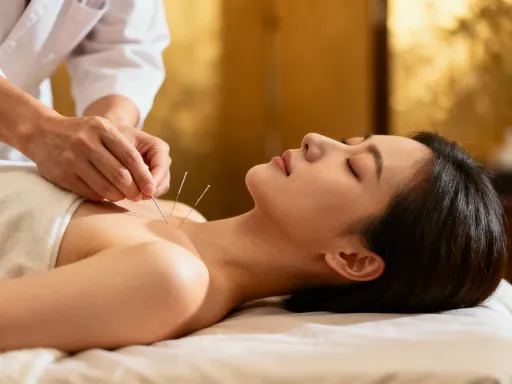
Acupuncture and massage are often grouped under the umbrella of complementary and integrative health, but their roles in rehabilitation are specific and increasingly recognized by medical professionals. Acupuncture involves the insertion of very fine needles into precise points on the body, traditionally mapped along energy pathways known as meridians. In modern clinical terms, these points often correspond to areas rich in nerve endings, blood vessels, and connective tissue. The goal is not to cause pain, but to stimulate the body’s natural regulatory systems. When used in rehabilitation, acupuncture is not a painkiller, but a method to modulate pain signals, encourage tissue healing, and promote relaxation.
Massage therapy, on the other hand, focuses on the manipulation of soft tissues—muscles, tendons, ligaments, and fascia. It comes in many forms, from gentle Swedish techniques to deeper myofascial release, all aiming to improve circulation, reduce muscle tension, and enhance tissue mobility. In the context of recovery, massage is more than a luxury; it’s a functional intervention. It helps break down adhesions—scar-like bands that form after injury—and restores glide between tissue layers. This can make movement easier and reduce the effort required during physical therapy exercises.
Both practices are now integrated into many rehabilitation centers, sports medicine clinics, and pain management programs. Licensed physical therapists and rehabilitation specialists often collaborate with certified acupuncturists and massage therapists to create coordinated care plans. Their inclusion is supported by clinical guidelines for conditions such as chronic low back pain, neck pain, and post-operative recovery. The key is understanding that these therapies do not operate in isolation. They are most effective when aligned with medical treatment, active movement, and patient education. They support the body’s innate healing capacity rather than override it.
Why These Therapies Work: The Science Behind the Relief
The effectiveness of acupuncture and massage is increasingly validated by scientific research, though the mechanisms are complex and multifaceted. Acupuncture appears to influence the nervous system by stimulating sensory nerves beneath the skin, which send signals to the brain. In response, the body may release endorphins—natural pain-relieving chemicals—and modulate the activity of neurotransmitters involved in pain and inflammation. Studies have shown that acupuncture can reduce levels of pro-inflammatory markers, suggesting a biological basis for its anti-inflammatory effects. These changes are not immediate but accumulate over time, reinforcing the importance of consistent sessions.
Additionally, acupuncture may help regulate the autonomic nervous system, shifting the body from a state of stress (sympathetic dominance) to one of rest and repair (parasympathetic activation). This is particularly valuable in recovery, where chronic pain can keep the nervous system in a heightened state, amplifying discomfort and slowing healing. By promoting nervous system balance, acupuncture creates a more favorable internal environment for tissue regeneration and functional improvement.
Massage therapy also has measurable physiological effects. One of the most well-documented benefits is improved circulation. Enhanced blood flow delivers more oxygen and nutrients to damaged tissues while aiding in the removal of metabolic waste products. This accelerates the healing process and reduces muscle soreness. Deep tissue massage, in particular, has been shown to reduce muscle stiffness and increase range of motion by affecting the viscoelastic properties of connective tissue. Moreover, massage can lower cortisol levels, the hormone associated with stress, while increasing serotonin and dopamine, which contribute to mood regulation and relaxation.
Together, these therapies address both the physical and neurological aspects of recovery. They do not eliminate the need for exercise or medical intervention, but they make those components more effective. When pain is reduced and tissues are more pliable, patients are more likely to engage fully in rehabilitation exercises. This synergy between passive therapies and active participation is what makes the combined approach so powerful. The benefits are cumulative, requiring patience and consistency, but the results—greater comfort, improved function, and enhanced resilience—are well within reach.
My First Try: Skepticism, Needles, and Surprising Results
Walking into the first acupuncture session, skepticism was high. The idea of needles—however fine—being helpful felt counterintuitive, even daunting. The clinic was calm, with soft lighting and quiet music, a stark contrast to the bustling physical therapy office. The practitioner explained each step, ensuring comfort and consent throughout. The needles, when inserted, produced only a brief sensation—sometimes a dull ache, sometimes nothing at all. After 20 minutes of rest, the needles were removed, and the immediate change was subtle but notable: the constant tightness in the shoulder had softened, as if a silent alarm in the muscles had been turned down.
Follow-up massage sessions built on this shift. The therapist used focused pressure on the upper trapezius and rotator cuff areas, where tension had become deeply embedded. There was discomfort at times, but never pain beyond what felt productive. What surprised most was the emotional release—moments of unexpected tears, not from sadness, but from the sensation of long-held tension finally letting go. These sessions were not just physical; they felt like a dialogue with the body, a chance to listen after months of pushing through discomfort.
Over the next few weeks, changes became more apparent. Morning stiffness decreased. Reaching for high shelves became less of a challenge. Sleep improved, likely due to reduced pain and a calmer nervous system. Most importantly, physical therapy exercises felt more effective. Movements that once required grim determination now flowed with greater ease. The combination of acupuncture and massage had not erased the injury, but it had removed invisible barriers that were slowing progress. The body was no longer resisting; it was responding.
How to Add These Therapies Safely and Strategically
Integrating acupuncture and massage into a recovery plan requires thoughtful planning and professional guidance. The first step is always to consult with a healthcare provider, especially if managing a chronic condition or recovering from surgery. Open communication ensures that complementary therapies align with medical goals and do not interfere with ongoing treatment. Once clearance is given, the next step is selecting qualified practitioners. Licensed acupuncturists (L.Ac.) and certified massage therapists (LMT) have undergone rigorous training and adhere to strict safety standards. Checking credentials and reading patient reviews can help identify reputable providers.
When beginning treatment, it’s wise to start slowly. One session per week is often sufficient at first, allowing the body to respond and the patient to track changes. Keeping a simple journal to note pain levels, sleep quality, mood, and range of motion can reveal patterns over time. Some may notice improvements after just a few sessions, while others experience gradual shifts over several weeks. Consistency matters more than intensity. It’s also essential to communicate openly with the practitioner about rehabilitation goals—whether it’s reducing pain, improving flexibility, or preparing for a specific activity.
Equally important is understanding what these therapies are not. They should not replace prescribed medical treatments, physical therapy, or necessary medications. Instead, they serve as supportive elements within a comprehensive care plan. There may be days when treatment feels less effective, and that’s normal. Healing is rarely linear. The goal is not perfection, but progress. By approaching acupuncture and massage as tools rather than cures, patients maintain realistic expectations and sustainable motivation.
Who Might Benefit Most—and Who Should Proceed with Caution
While acupuncture and massage can support many individuals in recovery, they are especially beneficial for those dealing with chronic muscle tension, post-injury stiffness, or stress-related delays in healing. Women managing the physical demands of caregiving, prolonged sitting, or repetitive household tasks may find these therapies particularly helpful in addressing accumulated strain. Those experiencing tension headaches, jaw tightness, or lower back discomfort often report significant relief. Additionally, individuals whose recovery has been hindered by anxiety or poor sleep may benefit from the calming effects on the nervous system.
However, certain conditions require caution. People with bleeding disorders or those taking blood-thinning medications should consult their doctor before trying acupuncture, as there is a small risk of bruising or bleeding at needle sites. Those with active skin infections, open wounds, or severe osteoporosis should avoid massage in affected areas to prevent complications. Pregnant women can often receive both therapies safely, but should seek practitioners experienced in prenatal care. Cancer patients should coordinate with their oncology team, as some treatments may affect tissue sensitivity or immune response.
Individualized care is essential. A skilled practitioner will conduct a thorough intake, review medical history, and adjust techniques accordingly. This personalized approach ensures safety and maximizes benefit. The goal is not a one-size-fits-all solution, but a tailored strategy that respects the body’s unique needs and limitations. With proper oversight, most people can explore these therapies with confidence, knowing they are adding a layer of support to their recovery journey.
Beyond the Body: The Mind-Body Shift in Healing
One of the most profound aspects of acupuncture and massage is their impact on mental and emotional well-being. Recovery is not solely a physical process; it involves patience, self-compassion, and a willingness to slow down. Many women in midlife face recovery during a time of multiple responsibilities—caring for children, supporting aging parents, managing careers. In this context, taking time for healing can feel indulgent, even selfish. Yet, these therapies offer more than physical relief—they provide permission to pause, to be present, and to reconnect with the body in a nurturing way.
The act of receiving touch, especially when it is intentional and therapeutic, can reduce feelings of isolation and anxiety. It signals to the nervous system that it is safe to relax. Over time, this can shift one’s relationship with pain—from viewing it as an enemy to understanding it as a signal, a guidepost in the healing process. Mindful stimulation through acupuncture and the rhythmic pressure of massage enhance body awareness, helping individuals recognize early signs of tension and respond before discomfort escalates.
This mind-body connection fosters a deeper sense of agency. Instead of feeling passive in recovery, patients begin to feel like active participants. They notice how sleep, stress, and daily habits influence their progress. Motivation improves, not because of external pressure, but from an internal desire to feel whole again. True rehabilitation, then, is not just about restoring movement—it’s about rebuilding confidence, comfort, and trust in the body’s ability to heal.
Recovery isn’t just about fixing what’s broken—it’s about creating the conditions for the body to heal itself fully. Acupuncture and massage aren’t miracle cures, but when used wisely, they can be powerful allies in rehabilitation. Combined with medical care, they offer a more complete, human-centered path to recovery. Always consult a healthcare provider, but don’t overlook the value of touch, balance, and holistic support on your healing journey.