How I Calm My Anxiety Fast — Simple Moves That Actually Work
Anxiety hits hard and often without warning. I used to feel stuck whenever my chest tightened and thoughts raced — until I discovered quick, body-based exercises that help me reset in minutes. These aren’t magic tricks or medical cures, just science-backed movements that interrupt stress signals. If you’re overwhelmed and need relief now, this is for you. Let’s explore how your body can become your fastest tool for calm.
When Anxiety Strikes — Why Quick Relief Matters
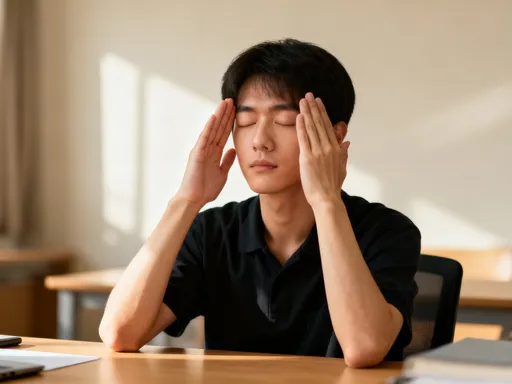
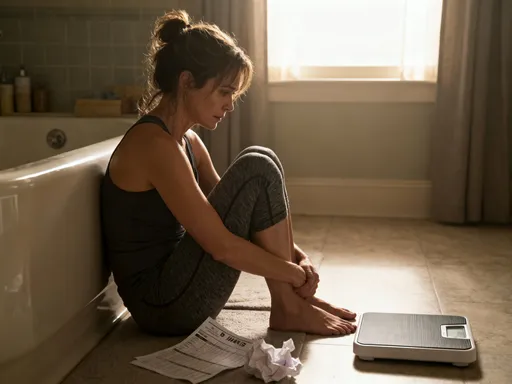
Anxiety doesn’t always come with a warning. One moment you’re folding laundry or reading an email, and the next, your heart is pounding, your breath feels shallow, and your mind spirals into worst-case scenarios. For many women between 30 and 55, this experience is familiar — often layered on top of daily responsibilities like caring for children, managing households, or balancing work. In these moments, long-term therapy or medication, while valuable, don’t offer immediate relief. What’s needed is something fast, private, and doable in the middle of a busy day.
Acute anxiety activates the sympathetic nervous system, triggering the well-known “fight-or-flight” response. This survival mechanism was designed for real threats — like escaping a predator — not for reacting to a missed deadline or a child’s tantrum. Yet the body responds the same way: muscles tense, breathing quickens, and the mind narrows its focus to danger. When this happens repeatedly, it wears down mental and physical health. Chronic stress has been linked to sleep disturbances, digestive issues, and weakened immunity. That’s why having tools that work within minutes is not just helpful — it’s protective.
Traditional advice like “just breathe” often fails in the heat of anxiety. When the nervous system is overwhelmed, abstract instructions can feel impossible to follow. What’s missing is a bridge between intention and action — a way to signal safety to the body quickly and physically. This is where movement comes in. Unlike thoughts, which can spiral, the body responds immediately to physical input. By using simple, intentional actions, you can interrupt the stress cycle before it takes full control.
The Body-Mind Shortcut: How Movement Changes Your State Fast
The mind and body are not separate systems — they are constantly communicating. When anxiety flares, the brain sends signals that prepare the body for danger. But the reverse is also true: the body can send signals that calm the brain. This bidirectional relationship means that changing your physical state can directly influence your mental state. Science shows that even brief physical actions can shift the nervous system from high alert to a state of safety, known as the parasympathetic or “rest-and-digest” mode.
One key player in this process is cortisol, the primary stress hormone. During anxiety, cortisol levels rise, increasing heart rate and sharpening focus on threat. At the same time, endorphins — the body’s natural mood lifters — drop. Research from Harvard Medical School and other institutions has shown that physical movement, even in small amounts, can reduce cortisol and boost endorphin production. This biochemical shift happens quickly, often within minutes, which is why movement is such an effective fast-response tool.
Another important factor is proprioception — your body’s sense of where it is in space. When anxiety narrows your awareness, you may feel disconnected from your body or trapped in your head. Movement re-engages this sense, grounding you in the present. For example, feeling your feet on the floor or your arms lifting helps anchor attention away from racing thoughts. This isn’t just psychological — it’s neurological. Brain imaging studies show that physical activity increases blood flow to regions involved in emotional regulation, such as the prefrontal cortex. In short, movement doesn’t just distract from anxiety — it changes the brain’s chemistry and function in real time.
The 3-Minute Grounding Shake: Releasing Tension From Head to Toe
One of the most effective yet underused tools for instant anxiety relief is the full-body shake. This simple practice involves standing comfortably and allowing your limbs to shake loosely, as if you’re a leaf in the wind or a dog drying off after a swim. It may feel unusual at first, but the results are often immediate. Many women report feeling lighter, warmer, and calmer within two to three minutes of shaking. The technique works because it mimics a natural biological response seen in animals after a stressful event.
In the wild, animals like deer or gazelles often shake their bodies vigorously after escaping danger. This physical discharge helps reset their nervous systems and prevents trauma from getting stuck in the body. Humans have the same capacity, but social norms often suppress this instinct. We’re taught to “stay composed” or “hold it together,” even when our bodies are screaming to release tension. The grounding shake gives permission to let go. As you shake, you allow built-up nervous energy to flow out through your hands, feet, and spine.
To practice, stand with your feet shoulder-width apart, knees slightly bent. Begin by shaking your hands loosely, then let the motion travel up your arms, into your shoulders, and down your torso. Gently shake your head from side to side and wiggle your hips. Let your legs tremble naturally. There’s no “right” way to do it — the goal is to stay relaxed and allow the movement to be spontaneous. You might notice tingling, warmth, or a sense of melting tension. After two to three minutes, stop and stand still. Take a few deep breaths and notice the difference in your body. Many find their breathing has slowed, their shoulders have dropped, and their mind feels clearer. This exercise can be done anywhere — in a bathroom stall, beside your car, or in your living room — making it a discreet and powerful tool for real-time relief.
Power Poses That Rewire Stress Responses in Minutes
Posture is more than just how you sit or stand — it’s a direct line to your emotional state. Research from social psychologist Amy Cuddy and others has shown that body language doesn’t just reflect confidence; it can create it. When you adopt open, expansive postures, your brain receives signals that you are safe and in control. This can lead to measurable changes in hormone levels, including a drop in cortisol and a rise in testosterone, which is linked to feelings of assertiveness and calm.
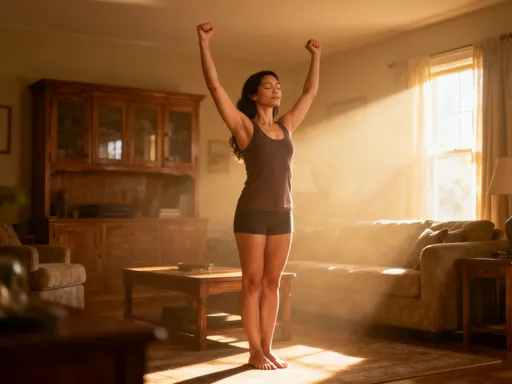
For women managing the emotional load of family and work, power poses offer a quick way to reclaim authority over their nervous system. Two particularly effective poses are the “Victory Stand” and the “Chest Opener.” The Victory Stand involves standing tall with your arms raised in a V-shape, palms facing forward, as if celebrating a win. The Chest Opener requires standing with your feet grounded, interlacing your hands behind your back, and gently lifting your arms to open the front of your chest.
Holding either pose for 60 to 90 seconds can create a noticeable shift. As you stand in the Victory Stand, imagine energy rising from the ground through your body and out your fingertips. With the Chest Opener, focus on drawing your shoulder blades together and lifting your heart toward the sky. These movements counteract the hunched, protective posture that often accompanies anxiety — shoulders forward, chest collapsed, head down. By reversing this shape, you send a clear message to your brain: You are not under attack. Studies have found that just two minutes of power posing can reduce anxiety and increase feelings of personal power, making it a practical tool during stressful moments like before a difficult conversation or after receiving upsetting news.
Box Breathing + Movement: A Dynamic Combo for Instant Calm
Breathing techniques are commonly recommended for anxiety, but many people struggle to focus on their breath when overwhelmed. The solution? Pair breathing with movement. When motion and breath are synchronized, the body finds rhythm more easily, and the mind is less likely to wander into anxious thoughts. One of the most effective combinations is box breathing with arm movements — a technique used by first responders, athletes, and mindfulness practitioners to regain control under pressure.
Box breathing follows a four-part pattern: inhale for four counts, hold for four, exhale for four, and pause for four. To make it more accessible, add gentle arm motions. Begin with your arms at your sides. As you inhale, slowly raise your arms out to the sides and up overhead, palms facing each other. At the peak of the inhale, pause and hold your arms high for four counts. Then, as you exhale, lower your arms in the same slow, controlled path. When they reach your sides, pause again for four counts before repeating.
This movement anchors the breath in physical sensation, making it easier to stay present. The upward motion naturally supports inhalation, expanding the lungs, while the downward motion encourages complete exhalation, activating the vagus nerve — a key regulator of the parasympathetic nervous system. The pause at the top and bottom builds tolerance for stillness, which is often challenging during anxiety. Practicing this sequence for just three to five rounds can slow heart rate, reduce muscle tension, and create a sense of inner stability. It’s especially useful when you’re seated — at a desk, in a car, or on the couch — and need a discreet way to reset without drawing attention.
Walking It Off: Why 5 Minutes of Motion Beats Sitting With Stress
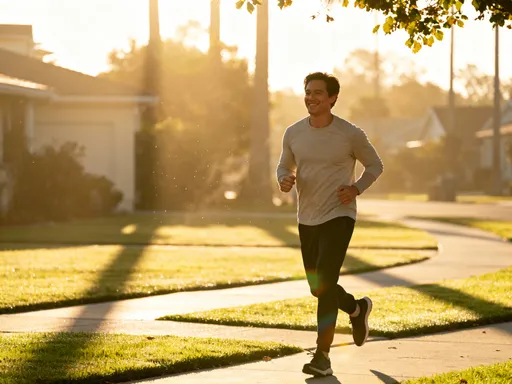
When anxiety strikes, the instinct may be to freeze, withdraw, or sit down and try to “think it through.” But the most effective response is often the opposite: move. Walking, even for just five minutes, can break the cycle of rumination and reset the nervous system. Unlike intense exercise, walking is gentle, accessible, and can be done almost anywhere — around the block, up and down a hallway, or even in circles in your living room.
The benefits of walking go beyond physical activity. The rhythmic pattern of steps creates a meditative effect, similar to the repetition in prayer or mantra. Each footfall connects you to the ground, reinforcing a sense of stability. This is especially important during anxiety, when you may feel “spaced out” or disconnected from your body. The act of placing one foot in front of the other provides a simple, repeatable task that occupies the mind just enough to interrupt anxious loops without requiring concentration.
Additionally, walking increases blood flow to the brain and stimulates the release of endorphins and serotonin — neurotransmitters that support mood and calm. A study published in the Journal of Clinical Psychology found that even short bouts of walking significantly reduced anxiety symptoms in adults. The key is consistency, not speed or distance. You don’t need to power-walk or track steps — simply moving with awareness is enough. Try focusing on the sensation of your feet touching the floor, the swing of your arms, or the air on your skin. If you’re indoors, walk slowly and deliberately, perhaps while listening to calming music or a short guided reflection. Over time, this practice can become a reliable ritual — a way to honor your need for movement and care in the middle of a demanding day.
Building Your Fast-Relief Toolkit: Making It a Habit
Knowing these techniques is one thing; being able to use them in the moment is another. Anxiety often strikes when you’re already exhausted or distracted, making it hard to remember what to do. That’s why it’s essential to build a personal “calm kit” — a set of 2–3 go-to exercises that you practice regularly, even when you’re not anxious. The goal is to make these movements automatic, like muscle memory, so they’re available when you need them most.
Start by choosing the techniques that feel most natural to you. Maybe it’s the grounding shake, the chest opener, or the box breathing with movement. Practice each one for a few minutes every day, ideally at the same time — after checking your email in the morning, before preparing dinner, or during a child’s quiet playtime. Pairing the exercise with an existing habit increases the likelihood of consistency. For example, every time you finish a phone call, do one round of power poses. Or, after sending an important message, take a five-minute walk around the house.
Over time, your body will begin to associate these actions with safety and regulation. You may notice that even a small movement — like lifting your arms overhead or shifting your posture — can prevent anxiety from escalating. Keep your toolkit simple. You don’t need to master all the techniques — just have a few that work for you. Write them down on a card and keep it in your purse, or save a voice note on your phone as a reminder. The more you practice, the more empowered you’ll feel. Calm becomes not something you wait for, but something you create — one intentional motion at a time.
Anxiety doesn’t have to control your day. With simple, science-supported movements, you can reclaim calm — fast. These tools aren’t replacements for professional care, but they are powerful first responses anyone can use. By learning to listen to your body and act quickly, you build resilience, one small motion at a time.