How Yoga and TCM Gave Me My Life Back – A Beginner’s Journey
Ever felt stuck in recovery, like nothing really helps you heal from the inside? I was there—until I combined gentle yoga, meditation, and traditional Chinese medicine (TCM) principles. No quick fixes, just small, consistent steps. Over weeks, I noticed real shifts: better sleep, less tension, more energy. This isn’t a miracle cure, but a mindful path to rehabilitation that honors both body and mind. It’s not about pushing harder or fixing what’s broken—it’s about listening, responding, and creating space for healing to unfold naturally. What began as a quiet experiment became a lifeline, one breath and one moment at a time.
The Breaking Point: When Recovery Felt Impossible
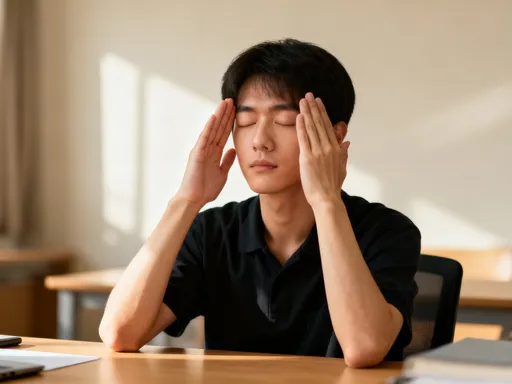
For months, I moved through life as if underwater—slow, heavy, disconnected. Simple tasks like climbing stairs or standing at the sink left me drained. I had no major diagnosis, no dramatic injury, yet a low hum of fatigue and stiffness had settled into my body like a permanent guest. Doctors ran tests, found nothing alarming, and suggested rest, hydration, and maybe stress management. But rest didn’t help. Hydration didn’t restore me. And stress management, as it was explained—just ‘try to relax’—felt like another demand on an already exhausted system.
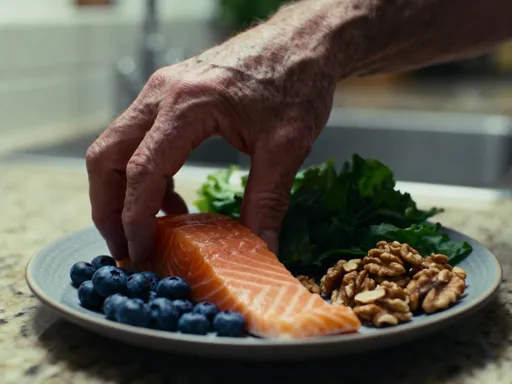
I wasn’t healing. I was surviving. And survival, I realized, wasn’t the same as living. I tried physical therapy, which helped with alignment but not with the deeper sense of depletion. I cut back on caffeine, improved my diet, even bought a new mattress. Each change brought minor relief, but nothing addressed the root of how I felt—like my body had forgotten how to renew itself. The turning point came not from a prescription, but from a question: What if healing isn’t just about treating symptoms, but about restoring balance?
That question led me to explore holistic approaches. I began reading about systems that treated the person as a whole—mind, body, and energy—not just isolated parts. Traditional Chinese medicine kept appearing in my research. So did yoga, not as a fitness trend, but as a practice rooted in restoration. Skeptical but desperate, I decided to try combining small, gentle practices from both. I didn’t expect transformation. I just wanted to feel like myself again. What I found was more profound than relief—it was reconnection.
Why TCM Sees Healing Differently
Traditional Chinese medicine operates on a fundamentally different understanding of health than many Western models. Instead of focusing on diseases or symptoms, TCM looks at patterns of imbalance. At its core is the concept of qi—pronounced “chee”—which refers to the vital energy that flows through the body. According to TCM, when qi moves smoothly along pathways called meridians, the body functions optimally. When it becomes blocked, deficient, or excessive, discomfort and illness can arise.
Another foundational idea is the balance of yin and yang—opposing yet complementary forces. Yin represents stillness, coolness, and receptivity; yang stands for activity, warmth, and movement. Health, in TCM, is not the absence of symptoms but the dynamic equilibrium between these forces. For example, chronic fatigue might be seen not as a condition to suppress with stimulants, but as a sign of depleted yin or weak qi, requiring nourishment and rest rather than push-through energy.
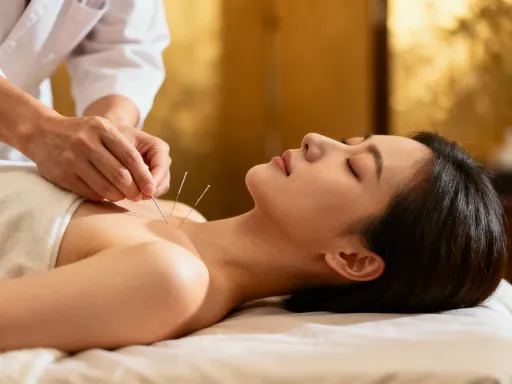
TCM also emphasizes the role of internal organs not just as physical structures, but as systems tied to emotions, rhythms, and energy. The liver, for instance, is associated with the smooth flow of qi and emotions like anger or frustration. The heart houses the Shen, or spirit, influencing sleep, clarity, and emotional stability. This mind-body-energy connection means that a persistent physical issue might be addressed through emotional regulation, dietary changes, or acupuncture—not just medication.
Unlike Western medicine, which often intervenes after illness appears, TCM prioritizes prevention. It encourages daily habits—like mindful eating, seasonal routines, and movement—that maintain harmony before imbalance takes root. This preventive, whole-person approach felt like the missing piece in my recovery. Instead of asking, “What’s wrong with me?” TCM invited me to ask, “How can I support my body’s natural ability to heal?” That shift in perspective was powerful—and it opened the door to deeper, more sustainable wellness.
Yoga for Beginners: More Than Just Stretching
When I first thought of yoga, I pictured advanced poses—bodies bent into pretzels, serene faces in perfect balance. I assumed it wasn’t for someone like me, someone who struggled to touch her toes. But as I learned, beginner yoga is not about flexibility or performance. It’s about presence, breath, and gentle movement that supports the body’s natural rhythms. For recovery, this kind of practice can be transformative.
Gentle yoga, especially styles like Hatha or Yin, focuses on slow, sustained postures that release tension without strain. These poses are not about pushing limits, but about creating space—physically and mentally. A simple seated forward bend, for example, isn’t just stretching the back of the legs. It encourages relaxation, activates the parasympathetic nervous system, and signals the body that it’s safe to rest. Over time, this kind of movement improves circulation, enhances joint mobility, and reduces muscle stiffness—key factors in physical recovery.
Breath awareness, or pranayama, is another cornerstone of yoga. Learning to breathe deeply and rhythmically helps regulate the nervous system. Shallow breathing, common during stress or pain, keeps the body in a state of low-grade alertness. Deep diaphragmatic breathing, on the other hand, calms the mind and supports oxygen flow to tissues, aiding repair. Even five minutes of mindful breathing each day can shift the body from survival mode to restoration mode.
For someone rebuilding strength or managing chronic discomfort, yoga offers a safe, adaptable way to reconnect with the body. Modifications are built into the practice—using props, shortening holds, or choosing gentler variations. The goal isn’t perfection, but awareness. Each session becomes a conversation between mind and body, a chance to notice what’s tight, what’s tired, and what’s beginning to soften. This mindful movement, when practiced consistently, doesn’t just improve physical function—it restores a sense of agency and trust in one’s own healing process.
Meditation That Actually Works (Even If You’re Restless)
Like many, I used to think meditation meant sitting in silence with a completely empty mind. And because my thoughts never stopped—especially when I was tired or in pain—I assumed I was doing it wrong. I’d try for a few minutes, get frustrated, and give up. It wasn’t until I reframed meditation as a practice of gentle attention, not mental control, that it began to make sense.
In TCM, the mind and spirit are deeply connected to physical health. The Shen, or spirit, resides in the heart and governs consciousness, sleep, and emotional balance. When the Shen is agitated—by stress, overthinking, or lack of rest—it can lead to insomnia, anxiety, and a sense of inner restlessness. Meditation, in this context, isn’t about achieving enlightenment. It’s about calming the Shen, creating stillness so the body can heal.
A simple, effective way to begin is with breath-focused meditation. Sit comfortably, close your eyes, and bring attention to the natural rhythm of your breath. When your mind wanders—and it will—gently return to the breath without judgment. That act of noticing and returning is the practice. Even two or three minutes a day can train the mind to settle. Over time, this builds resilience against mental clutter, making space for clarity and calm.
For those with physical discomfort, meditation can be adapted. You don’t need to sit cross-legged on the floor. You can lie down, recline in a chair, or even practice while resting in bed. The key is consistency, not duration. Apps with guided sessions can help, especially in the beginning, by offering structure and gentle direction. The goal isn’t to eliminate thoughts, but to change your relationship with them—observing them like clouds passing in the sky, rather than getting caught in the storm. This shift in awareness can reduce the emotional weight of pain and fatigue, making recovery feel less overwhelming.
Putting It Together: My Daily 20-Minute Routine
After months of experimenting, I settled into a simple, sustainable routine that blends TCM-inspired habits with gentle yoga and meditation. It takes about 20 minutes and fits into even the busiest mornings. The power isn’t in complexity, but in consistency. Here’s how it works:
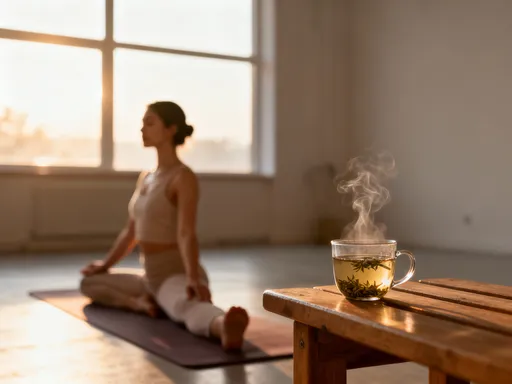
I begin with five minutes of breathwork. Sitting by the window, I practice diaphragmatic breathing—inhaling slowly through the nose, letting the belly rise, then exhaling fully. This signals to my nervous system that the day is beginning with intention, not urgency. In TCM, this kind of practice supports lung qi, which governs rhythm and respiration, setting a calm tone for the hours ahead.
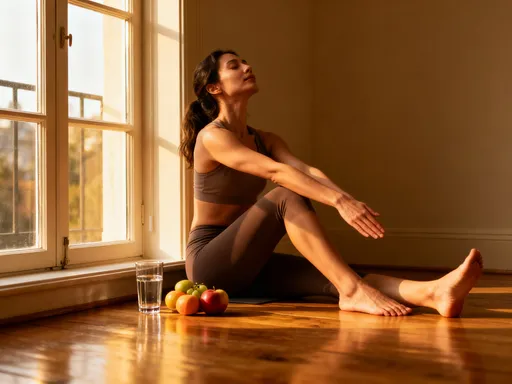
Next, I move into a short sequence of restorative yoga poses. I start with Cat-Cow to warm the spine, then move into Child’s Pose to release tension in the back and hips. I hold a gentle Seated Forward Bend for a minute, focusing on lengthening the spine with each inhale. Finally, I lie on my back in Legs-Up-the-Wall pose for five minutes. This posture encourages circulation, reduces swelling in the legs, and activates the parasympathetic nervous system. Throughout, I keep my breath slow and steady, using it as an anchor.
In the evening, I end with five minutes of reflection or guided meditation. Sometimes I use a short recording; other times, I simply sit quietly, observing how my body feels. I avoid screens during this time, allowing my Shen to settle before sleep. Occasionally, I add acupressure—gently pressing the point between my eyebrows (Yintang) to calm the mind, or the point on the inner wrist (Neiguan) to ease tension.
This routine isn’t rigid. On days when I’m sore or short on time, I might skip a pose or shorten the session. The goal isn’t perfection, but presence. Over time, these small acts of care have woven themselves into the fabric of my life, becoming less of a practice and more of a rhythm—a daily return to balance.
What Changed—and What Didn’t
The changes didn’t happen overnight. There was no sudden breakthrough, no dramatic reversal of symptoms. Instead, progress came in subtle shifts: I began sleeping more soundly. Mornings felt less heavy. The constant tightness across my shoulders started to ease. I noticed I wasn’t reaching for coffee out of habit, but because I genuinely wanted it. My mood stabilized, and I felt more patient—with myself and others.
What didn’t change was the presence of discomfort. Some days are still hard. There are mornings when stiffness lingers, or fatigue creeps in by mid-afternoon. But now, I respond differently. Instead of resisting or fearing these moments, I see them as signals—invitations to slow down, to adjust, to care for myself. I’ve learned that healing isn’t linear. It’s not about erasing all pain or returning to some idealized past version of myself. It’s about building resilience, moment by moment.
TCM teaches that wellness is a long-term cultivation, like tending a garden. You don’t plant seeds and expect harvest the next day. You water, you wait, you adjust to the seasons. My journey has mirrored that. The practices I adopted didn’t ‘fix’ me—they created conditions where healing could occur. I didn’t regain my life in a single leap. I reclaimed it in small, daily choices: to breathe, to stretch, to sit quietly, to listen.
Perhaps the most significant change has been internal. I no longer feel at war with my body. I feel like I’m in partnership with it. This shift in relationship—from frustration to compassion—has been as healing as any physical improvement. And that, more than any symptom relief, is what gave me my life back.
Starting Your Own Path: Simple First Steps
If you’re considering a similar path, the most important thing is to begin gently. You don’t need special equipment, hours of free time, or prior experience. Start with just five minutes a day—whether it’s mindful breathing, a single yoga pose, or a short meditation. The key is consistency, not intensity.
For yoga, choose beginner-friendly styles like Hatha, Yin, or Restorative. These emphasize slow movement, support, and relaxation over exertion. Look for online videos or local classes labeled ‘gentle’ or ‘therapeutic.’ Use props like cushions, blankets, or blocks to make poses comfortable. Remember, the goal is not to achieve a certain shape, but to feel safe and supported in your body.
For meditation, start with guided sessions. Apps like Insight Timer or Calm offer short, accessible practices tailored to stress, sleep, or pain. Even listening to a five-minute breathing exercise can help train focus and calm the mind. Over time, you may find it easier to sit quietly on your own, but there’s no rush. Guidance is a valuable tool, not a crutch.
When exploring TCM, seek out licensed practitioners—acupuncturists, herbalists, or TCM doctors—who are trained and regulated. Avoid self-diagnosing or using herbs without professional advice. Simple TCM-inspired habits, like eating warm, cooked foods in winter or practicing acupressure on known points, can be safely incorporated into daily life. But for deeper imbalances, professional guidance ensures safety and effectiveness.
Most importantly, practice self-compassion. Healing is not a race. Some days will feel easier than others. There will be setbacks, distractions, and moments of doubt. That’s normal. What matters is showing up, again and again, with kindness and curiosity. This path doesn’t replace medical care—it complements it. Always work with your healthcare providers, especially if you have ongoing conditions. But within that framework, practices like yoga, meditation, and TCM offer a powerful way to support your body’s innate wisdom.
Conclusion
Healing isn’t about dramatic breakthroughs—it’s about showing up gently, day after day. By weaving together yoga, meditation, and TCM wisdom, I found a rhythm that supports my body’s natural ability to restore itself. This path isn’t about perfection; it’s about presence. And if you’re ready to begin, even with small steps, you’re already moving forward. The body remembers how to heal. Sometimes, it just needs the right conditions—and a little patience—to do so.