Zion’s Hidden Rhythms: Where Nature Meets Celebration
You know that feeling when a place just gets you? Zion National Park isn’t just red rocks and epic trails—it’s alive with culture, rhythm, and community. I didn’t expect to stumble into local festivals pulsing with music, art, and tradition while hiking through the canyon silence. This is more than a getaway; it’s a soulful connection. Let me show you the side of Zion most guides miss—the vibrant festival culture thriving beneath the cliffs. Here, nature doesn’t just inspire celebration—it becomes part of it. And for travelers seeking depth, meaning, and moments that linger long after the hike ends, this is where the journey truly begins.
The Spirit of Zion: More Than a Scenic Escape
Zion National Park stands as one of America’s most iconic natural treasures. Towering sandstone cliffs rise thousands of feet into the sky, their red and orange hues shifting with the sun’s passage. The Virgin River carves its way through narrow canyons, offering cool respite beneath the desert heat. Trails like Angels Landing and The Narrows draw adventurers from around the world, each seeking a personal triumph amid breathtaking scenery. Yet beyond the postcard views and bucket-list hikes lies a quieter, deeper truth: Zion is not only a landscape to be seen—it is a living space where people gather, create, and celebrate.
While many visitors come for the solitude of the backcountry, an increasing number are discovering that Zion’s true magic often unfolds off the trail. Local communities in and around the park have long honored the land through seasonal gatherings, artistic expression, and cultural traditions. These events are not staged for tourism—they are rooted in a deep connection to place, shaped by generations of living in harmony with the desert environment. Whether it’s a small evening concert in Springdale or a Native-led storytelling session under open skies, these moments reflect a living culture that enhances, rather than competes with, the natural wonder.
What makes this cultural layer so powerful is its authenticity. Unlike commercialized tourist festivals found in other destinations, the celebrations near Zion grow organically from the region’s identity. They are shaped by the rhythms of the seasons, the heritage of Indigenous peoples, and the spirit of those who call this high desert home. For the thoughtful traveler—particularly those seeking meaningful experiences over checklist tourism—engaging with these traditions transforms a simple vacation into something more enduring: a sense of belonging, even if only for a few days.
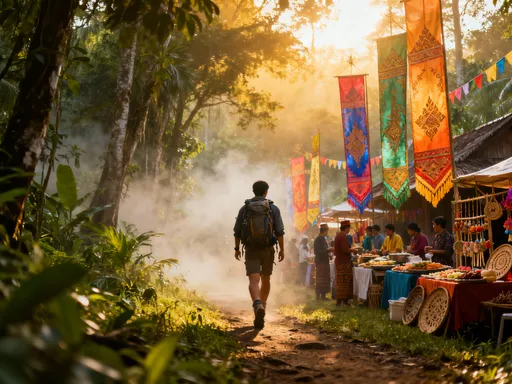
This blend of natural grandeur and human expression invites a new way of traveling. Instead of rushing from viewpoint to viewpoint, visitors can slow down, listen, and participate. They might join a community art walk, sample locally sourced food, or simply sit on a bench and watch as musicians play beneath red rock amphitheaters. In doing so, they don’t just witness Zion—they become part of its ongoing story.
Seasonal Beats: When Nature and Festivity Align
The pulse of life in Zion follows the seasons, and so too does its cultural calendar. As the desert awakens in spring, wildflowers bloom in hidden washes and cottonwoods green along the riverbanks. This renewal inspires some of the year’s most vibrant gatherings. Local towns host outdoor arts fairs and music events that celebrate both the return of warmth and the creativity it fosters. While specific festival names may vary from year to year, the rhythm remains consistent: communities come together when the weather allows, often in open-air settings where nature forms the backdrop.
Springtime brings moderate temperatures ideal for both hiking and festival-going. Events during this season often emphasize sustainability, local craftsmanship, and environmental awareness—values deeply aligned with the ethos of the region. Visitors might encounter plein air painting demonstrations, craft markets featuring regional artisans, or acoustic performances held in public parks. These gatherings are typically family-friendly, welcoming all ages and encouraging participation rather than passive observation.
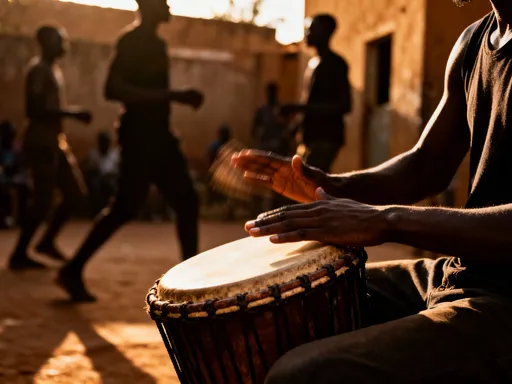
By summer, as temperatures climb, events tend to shift toward the cooler hours of early morning or late evening. The summer solstice, in particular, holds symbolic significance for many local groups. Though no large-scale public solstice ceremonies are officially hosted within the park, nearby communities sometimes organize small, respectful gatherings that honor the longest day of the year. These may include drum circles, yoga sessions at dawn, or twilight hikes led by local naturalists—experiences that invite mindfulness and connection.
Fall introduces another wave of cultural activity. As the heat subsides and the aspens in nearby higher elevations begin to turn gold, towns like Springdale and Kanab host annual events that draw both residents and travelers. These often include harvest-themed markets, food festivals highlighting Southwestern cuisine, and art shows featuring works inspired by the region’s landscapes. The timing is ideal: trails are less crowded, accommodations more available, and the air carries a crispness that makes outdoor events especially enjoyable.
Winter, though quieter, is not without its moments of celebration. Holiday lights in local towns, community choirs performing in civic centers, and small craft fairs offer warmth during the cooler months. For those willing to visit during this season, the combination of snow-dusted red rocks and intimate cultural events creates a uniquely peaceful atmosphere. Travelers who plan around these seasonal rhythms don’t just avoid peak crowds—they align themselves with the natural and cultural heartbeat of the region.
Festival Hotspots Near the Park: Where the Vibe Lives
While Zion National Park itself remains focused on preservation and outdoor recreation, the surrounding towns serve as cultural hubs where festival energy thrives. Each community brings its own character, yet all share a commitment to honoring the land and welcoming visitors with genuine hospitality. Springdale, located just outside the park’s southern entrance, functions as the most accessible gateway for those seeking both adventure and cultural engagement. Its compact downtown area frequently transforms into an open-air gallery or performance space during local events.
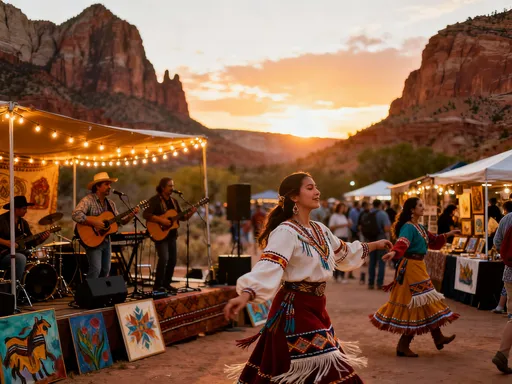
During select weekends throughout the year, Springdale hosts outdoor markets where local artists display pottery, textiles, and jewelry. Musicians often perform on street-side stages, their melodies blending with the sound of the nearby river. These gatherings are not large-scale productions but rather community-driven affairs that reflect the town’s close-knit spirit. Restaurants and cafes extend their hours, offering patio seating where guests can enjoy regional dishes while soaking in the atmosphere. For families and individuals alike, these moments provide a natural transition from a day on the trails to an evening of shared celebration.
Further afield, the town of Kanab—about an hour’s drive northeast—offers another cultural anchor in the region. Known for its Western heritage and role in early film history, Kanab hosts annual events that celebrate both tradition and creativity. Rodeos, pioneer festivals, and art walks are held with pride, often featuring participation from local families and Indigenous artisans. The town’s emphasis on community involvement ensures that events feel inclusive and grounded in real local life, rather than performative for tourists.
Hurricane, located to the west, has grown in recent years as both a residential and cultural node. Though less frequented by international travelers, it plays an important role in the regional festival scene. Community centers and parks in Hurricane regularly host craft fairs, farmers’ markets, and seasonal celebrations that draw from the agricultural roots of the area. These events offer a chance to engage with everyday life in southern Utah, away from the more tourist-centric environments.
What unites these towns is their role as stewards of culture and access. They do not seek to replicate urban entertainment districts but instead cultivate gatherings that reflect the values of the region: simplicity, respect for nature, and neighborly connection. For the traveler, spending time in these communities is not a detour—it is an essential part of understanding what makes Zion more than just a park on a map.
What to Experience: Music, Art, and Local Flair
The sensory richness of festival culture near Zion elevates the travel experience in ways that go beyond sightseeing. It’s one thing to admire a red rock formation from a distance; it’s another to hear a folk singer’s voice echo against the same cliffs at dusk, accompanied only by an acoustic guitar and the rustle of desert wind. These moments create lasting impressions, weaving memory and emotion into the fabric of a journey.
Music plays a central role in many local gatherings. Performances are typically low-key and intimate, favoring authenticity over spectacle. Genres range from Americana and bluegrass to Native flute melodies and contemporary folk. These sets are often held outdoors—in town squares, community parks, or even private yards opened for public enjoyment. The informal setting encourages interaction: visitors might chat with musicians between songs, learn about the inspiration behind a piece, or even join in a sing-along. For families, this accessibility makes cultural participation feel natural and welcoming.
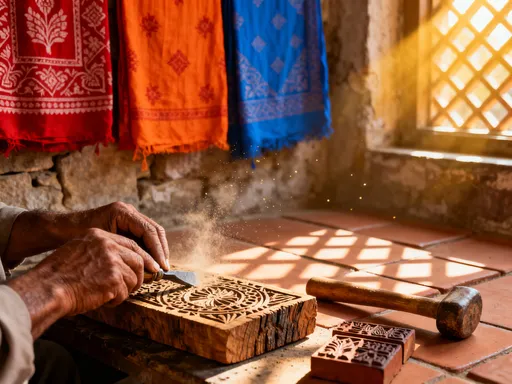
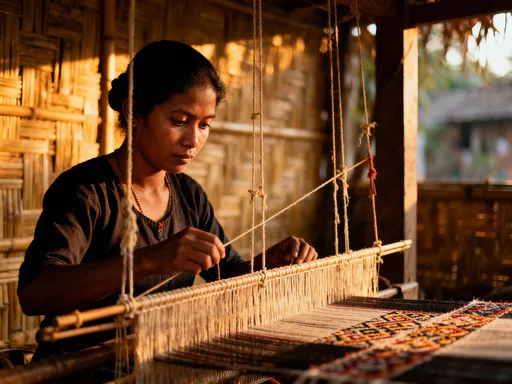
Visual art is equally present. Local galleries and pop-up exhibits showcase paintings, sculptures, and photographs that capture the essence of the Southwest. Artists frequently work en plein air, inviting onlookers to watch as landscapes are rendered in real time. Handcrafted goods—such as turquoise jewelry, handwoven rugs, and pottery fired with local clay—are available at markets and booths, often sold directly by the creators. Purchasing these items does more than provide a souvenir; it supports local livelihoods and sustains traditional crafts.
Culinary experiences further deepen the connection. Food trucks and pop-up vendors offer dishes that reflect the region’s flavors: green chile stew, Navajo tacos, roasted corn, and homemade salsas. Ingredients are often sourced from nearby farms or foraged with care, emphasizing freshness and seasonality. For many visitors, sharing a meal at a community event becomes a highlight—not because of extravagance, but because of the warmth and simplicity it represents.
These elements—sound, sight, taste—come together to form a holistic experience. They remind travelers that culture is not separate from nature but intertwined with it. A melody played beneath a red rock arch, a painting inspired by morning light on a canyon wall, a meal shared under a star-filled sky—these are the moments that transform a trip into a meaningful encounter.
Plan Like a Pro: Timing, Tickets, and Trails
To fully embrace the cultural rhythm of Zion, thoughtful planning is essential. Unlike major urban festivals with fixed dates and widespread advertising, many local events in southern Utah are announced months in advance but may not appear on national travel calendars. The key is to begin research early, focusing on official town websites, regional visitor bureaus, and the National Park Service’s community partnership pages. These sources provide accurate, up-to-date information without relying on speculative or unverified listings.
Peak seasons for both park visitation and cultural events coincide: spring (April to May) and fall (September to October) offer the most favorable conditions. During these windows, travelers should aim to book accommodations six to eight months in advance, especially if attending a known gathering. Options range from family-run inns and vacation rentals to campgrounds with cultural programming. Staying in nearby towns rather than distant cities increases the likelihood of spontaneous participation in evening events.
It’s also important to balance physical activity with cultural engagement. Hiking in Zion can be demanding, and attempting to summit Angels Landing in the morning followed by a full evening of festival activities may lead to exhaustion. A more sustainable approach is to alternate high-effort days with lighter ones—perhaps a morning stroll through The Grotto Trail followed by an afternoon at a craft fair. This rhythm allows for deeper enjoyment of both nature and culture without burnout.
Transportation should also be considered. While personal vehicles are common, some towns offer shuttle services during major events to reduce congestion and parking challenges. Utilizing these systems supports local sustainability efforts and enhances the visitor experience. Additionally, checking weather forecasts is crucial—sudden rain can affect trail safety and outdoor events alike, particularly in narrow canyons where flash floods pose real risks.
For those traveling with children or older adults, selecting family-friendly events ensures inclusivity. Many gatherings are designed with all ages in mind, featuring storytelling corners, craft stations, and gentle musical performances. Confirming accessibility details in advance—such as seating, shade, and restroom availability—helps ensure comfort for everyone in the group.
Respect the Land, Honor the Culture
As visitors engage with the cultural life of Zion, a mindset of respect is paramount. The beauty of the region is not just visual—it is spiritual and historical. Much of the land holds deep significance for Native American communities, including the Southern Paiute people, who have lived here for centuries. Sacred sites, ancestral trails, and ceremonial areas exist throughout the region, and while some are publicly accessible, all deserve quiet reverence.
Adhering to Leave No Trace principles is non-negotiable. This means packing out all trash, staying on designated paths, and avoiding the collection of natural objects like rocks or plants. In festival settings, this ethic extends to event spaces: leaving picnic areas clean, respecting temporary installations, and minimizing noise pollution after hours. These actions preserve the integrity of both the environment and the community experience.
Supporting local vendors is another form of respect. Choosing to buy art, food, and goods from regional creators ensures that tourism dollars stay within the community. It also fosters authentic exchange, allowing visitors to learn directly from those who live and work in the area. A simple conversation at a market booth can yield more insight than any guidebook.
Equally important is the attitude with which travelers approach cultural events. These are not performances for entertainment but expressions of identity and tradition. Observing quietly, asking permission before photographing people, and listening with openness are small but meaningful gestures. When participation is invited—such as clapping along to a song or joining a community meal—doing so with humility enhances connection.
Ultimately, responsible travel is about reciprocity. The land gives us beauty, adventure, and peace. The people offer hospitality, art, and wisdom. In return, visitors can offer care, attention, and respect. This mutual exchange is what sustains the soul of Zion for generations to come.
Why This Changes Everything: The Future of Travel in Zion
The growing recognition of Zion’s cultural dimension signals a shift in how we think about national parks and natural destinations. No longer are they seen merely as places to hike, photograph, or conquer. They are becoming spaces of encounter—where nature, community, and personal reflection intersect. The festivals, markets, and gatherings around Zion are not distractions from the wilderness; they are proof that human life and wild landscapes can thrive together.
This evolution reflects a broader movement in travel: a desire for depth over speed, connection over consumption. For the 30- to 55-year-old traveler—often balancing family, career, and personal renewal—this kind of experience offers something rare: authenticity. It’s not about chasing trends or collecting stamps in a passport. It’s about returning home with a fuller heart, a deeper understanding, and memories that feel truly earned.
As climate change and overtourism challenge the sustainability of beloved destinations, the cultural layer of places like Zion becomes even more vital. When visitors care about the people as much as the scenery, they are more likely to act as stewards. They choose eco-friendly options, support local economies, and advocate for preservation. In this way, festival culture does more than entertain—it educates and inspires responsibility.
The future of travel in Zion lies in this balance: honoring the silence of the canyons while celebrating the voices of those who live beside them. It means seeking not just the perfect view, but the shared meal, the spontaneous song, the handmade gift passed from one hand to another. It means returning year after year, not only for the trails, but for the traditions that make the journey meaningful.
So as you plan your next visit, look beyond the trail map. Check the community calendar. Talk to locals. Arrive not just as a visitor, but as a participant. Because in Zion, the red rocks are only part of the story. The true rhythm—the hidden pulse beneath the surface—is found in the moments when nature and celebration move as one.