You Won’t Believe What I Found Shopping in Dili’s Cultural Heart
Nestled on the shores of the Timor Sea, Dili blends Portuguese charm with Timorese tradition in ways that surprise even seasoned travelers. Far from flashy malls, its true treasures lie in cultural venues where handmade textiles, carved artifacts, and local stories come alive. Shopping here isn’t just about buying—it’s about connecting, understanding, and taking home a piece of soul. Let me show you how.
The Soul of Dili: Where Culture Meets Commerce
Dili may be East Timor’s capital, but it pulses with grassroots energy rather than urban rush. Unlike conventional shopping cities where commerce dominates culture, Dili’s commercial heartbeat thrives in community-centered spaces—markets, cooperatives, and artist collectives rooted deeply in local life. These are not transactional zones defined solely by exchange; they are living galleries preserving ancestral knowledge, artistic expression, and collective memory. In a world increasingly shaped by mass production and digital convenience, Dili offers a refreshing counterpoint: shopping as cultural engagement.
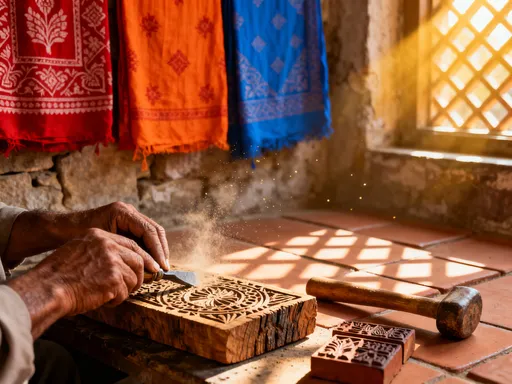
At the heart of this experience is the enduring presence of traditional crafts, especially tais weaving—a textile art form that has long served as a visual language among Timorese communities. Each pattern, color, and motif carries meaning, often tied to clan identity, spiritual beliefs, or historical events. When visitors purchase a handwoven tais cloth, they are not simply acquiring a decorative item; they are engaging with a centuries-old tradition of storytelling through fabric. This is cultural shopping at its most authentic—where every purchase supports local livelihoods, sustains heritage, and fosters mutual respect between traveler and maker.
What sets Dili apart is the transparency and intimacy of these exchanges. Artisans are often present, ready to explain their work, share personal stories, and welcome questions. There’s no barrier between creator and consumer, no hidden supply chain. This closeness transforms shopping from a passive act into an active dialogue—one that honors craftsmanship, values sustainability, and deepens cross-cultural understanding. In choosing to shop this way, travelers become part of a larger movement: one that prioritizes human connection over consumerism.
Mercado Municipal: More Than Just a Market
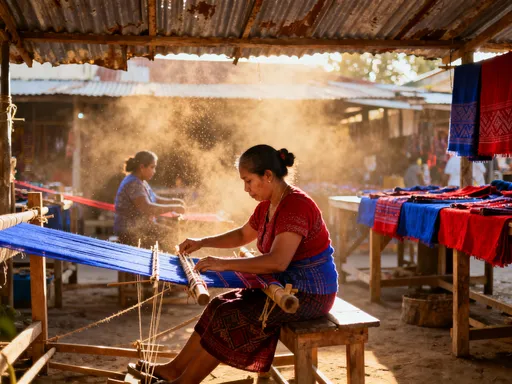
At the heart of Dili’s shopping scene stands the Mercado Municipal, a vibrant hub where locals gather daily to buy fresh produce, seafood, spices, and household goods. But beyond the stalls of ripe mangoes, dried fish, and bundles of lemongrass lies a quieter yet equally compelling corner of the market: the handcraft vendors, mostly women, who display handwoven tais cloths in bold geometric patterns and rich, earthy tones. These textiles, once used in rituals, weddings, and rites of passage, now serve as wearable art, wall hangings, and elegant gifts—each one a testament to the resilience and creativity of Timorese women.
The market operates at its fullest in the early morning hours, when sunlight filters through the corrugated roofs and the air hums with bargaining, laughter, and the rhythmic clatter of wooden carts. It’s here that visitors encounter the true spirit of Dili—not in polished boutiques or tourist-centric shops, but in the open-air stalls where commerce unfolds alongside community life. The women who sell tais often weave the pieces themselves or source them directly from family members in rural villages, ensuring that income flows back to the artisans rather than being absorbed by intermediaries.
What makes shopping at Mercado Municipal so meaningful is the opportunity for direct interaction. Travelers can sit with weavers, observe their techniques, and learn about the symbolic meanings behind specific patterns. A diamond motif might represent unity, while zigzag lines could symbolize mountain ranges or ancestral paths. These conversations deepen appreciation and ensure that each purchase is informed and respectful. Moreover, the sensory richness of the market—the scent of cloves and roasted coffee, the vibrant colors of fruits and fabrics, the sound of Tetum and Portuguese spoken in quick exchange—creates an immersive experience that stays long after the visit ends.
Tais Workshops: Weaving Stories Into Fabric
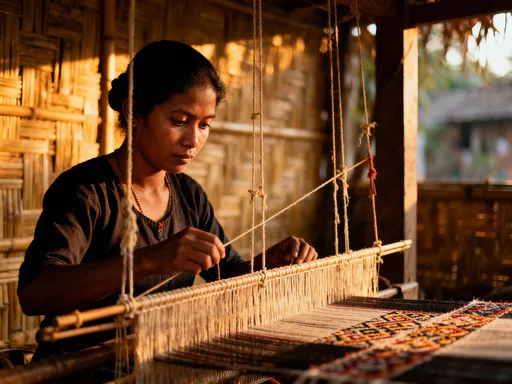
Scattered across Dili are small studios and nonprofit-run workshops where artisans craft tais, the national textile of East Timor. These spaces function as both cultural centers and social enterprises, often supporting women’s cooperatives and providing stable income in a country where economic opportunities remain limited. In places like Feto Timor and other community-led initiatives, visitors can witness the slow, meticulous process of tais production: from spinning cotton and preparing natural dyes to setting up the loom and weaving thread by thread, sometimes over weeks or even months.
The use of natural dyes—derived from turmeric, indigo, morinda root, and other local plants—adds another layer of authenticity and environmental consciousness to the craft. These dyes produce deep, lasting colors without the ecological cost of synthetic alternatives. The designs themselves are rarely arbitrary; they are passed down through generations, often specific to certain regions or clans. Some patterns are reserved for ceremonial use, while others reflect daily life, nature, or historical memory. By preserving these designs, artisans maintain a vital link to their heritage.
Many workshops welcome visitors for short demonstrations or guided tours, turning shopping into a participatory act. Guests might try their hand at basic weaving, learn how to identify different regional styles, or hear personal stories from the women who dedicate their lives to this art. These experiences foster empathy and connection, reminding travelers that behind every piece is a person with skill, patience, and pride. Buying a tais directly from such a workshop means owning a legacy—not just a souvenir—and knowing that one’s support contributes to education, healthcare, and family well-being for the artisans.
Cultural Centers as Hidden Marketplaces
Beyond markets and workshops, Dili’s cultural centers double as quiet shopping destinations that blend exhibition, education, and ethical commerce. Spaces like the Timor Arts & Culture Center and other community-run galleries host rotating exhibitions featuring pottery, woodcarvings, musical instruments, and ceremonial objects. These venues prioritize authenticity over mass production, often labeling each piece with the artist’s name, village of origin, and a brief description of its cultural context. This transparency allows visitors to make informed choices and understand the deeper significance of what they’re purchasing.
For example, a carved wooden drum might be labeled not only with the name of the artisan from Baucau but also with its traditional use in village gatherings or spiritual ceremonies. Similarly, a hand-painted basket could come with information about the plant fibers used and the symbolic patterns woven into its design. This educational dimension elevates the shopping experience, transforming it into a form of cultural learning. Visitors leave not only with a beautiful object but also with knowledge and appreciation.
These centers also play a crucial role in preserving endangered crafts. Some traditional skills, such as intricate beadwork or the forging of surik (traditional Timorese swords), are at risk of fading as younger generations move toward urban employment or foreign labor opportunities. By providing a platform for artisans to display and sell their work, cultural centers help sustain these practices and inspire new interest. They also serve as meeting places for artists, educators, and tourists, fostering dialogue and collaboration that strengthen the cultural ecosystem of the city.
Shopping in these spaces feels deliberate and meaningful. The atmosphere is calm, the lighting soft, and the pace unhurried—quite unlike the bustle of conventional tourist markets. It’s a space where contemplation is encouraged, where one can take time to examine the grain of a wooden sculpture or the precision of a woven mat. In this setting, every purchase feels like a small act of preservation, a vote for tradition in a rapidly changing world.
How to Shop Responsibly in Dili
Shopping in Dili’s cultural venues comes with a quiet responsibility—one that thoughtful travelers embrace with care. The first principle is to prioritize direct purchases from artisans rather than buying through middlemen or souvenir shops that may offer lower prices but provide little benefit to the creators. When possible, engage in conversation, ask about the making process, and express genuine interest in the craft. This simple act of connection can mean as much as the purchase itself.
Another key consideration is pricing. Unlike in many Southeast Asian markets where haggling is expected, bargaining over handmade cultural items in Dili is often inappropriate. Many prices already reflect subsistence living and the immense labor involved in creating each piece. A single tais cloth may take dozens of hours to complete, using hand-spun thread and natural dyes. To negotiate downward is to risk undermining the dignity and economic stability of the artisan. Instead, paying the stated price is an act of respect and solidarity.
Travelers should also take time to understand the cultural significance of the items they consider purchasing. Certain tais patterns, for instance, are reserved for specific occasions or social roles—some denote royalty, others are worn during mourning. Wearing or displaying such items without understanding their context can be seen as disrespectful. When in doubt, ask. Most artisans are happy to explain which pieces are suitable for general use and which carry deeper ceremonial meaning.
Additionally, consider the materials and sustainability of the products. Items made from natural fibers, plant-based dyes, or sustainably harvested wood align with both environmental values and traditional practices. Avoid anything that appears mass-produced, plastic-based, or culturally insensitive. By making informed, ethical choices, travelers help ensure that their shopping supports genuine cultural preservation rather than commercial exploitation.
The Journey from Craft to Keepsake
Every object bought in Dili carries a journey—one that begins long before it reaches the hands of the traveler. Take a tais shawl: its story might start with cotton grown in the highlands of Manatuto, harvested by a farming family and spun into thread by a village artisan. That thread may then be dyed using turmeric for yellow, indigo for blue, or morinda root for deep red—all natural pigments prepared with care. Weeks later, a weaver sits at a traditional backstrap loom, following a pattern learned from her mother, creating a design that speaks of identity and belonging.
When travelers recognize this journey—the layers of labor, knowledge, and tradition embedded in each piece—their shopping transforms into ethical appreciation. Even small purchases, like beaded earrings, woven coasters, or a hand-carved spoon, contribute to the continuity of intergenerational skills. These items are not disposable; they are heirlooms in the making, carrying stories that can be shared across time and distance.
This depth of meaning elevates souvenirs from mere mementos to lasting symbols of connection. A tais cloth draped over a sofa becomes more than decor; it becomes a conversation starter, a reminder of human resilience, and a tribute to craftsmanship. A wooden flute purchased from a cultural center might never be played, but its presence in a home serves as a quiet acknowledgment of another culture’s artistry and spirit.
Moreover, these objects often inspire continued engagement. Travelers may research Timorese history, follow the work of cooperatives online, or even return to Dili to deepen their understanding. In this way, the journey does not end at purchase—it extends into learning, advocacy, and long-term support for cultural sustainability.
Why Cultural Shopping Matters—Now More Than Ever
In a world dominated by fast fashion, mass tourism, and generic trinkets, Dili offers a powerful alternative. Cultural shopping here is not about consumption; it is about contribution. It sustains intangible heritage, empowers marginalized makers—especially women—and fosters cross-cultural empathy in an era of growing disconnection. As tourism slowly grows in East Timor, these community-based venues stand as guardians of identity, resisting homogenization and celebrating uniqueness.
For the traveler, especially the thoughtful woman between 30 and 55 who values meaning, authenticity, and impact, this kind of shopping offers deep emotional resonance. It aligns with a desire to do good, to connect with others, and to bring home more than just objects—to bring home understanding. There is a quiet pride in knowing that one’s choices have helped preserve a tradition, support a family, and honor a culture.
By choosing to engage mindfully—with curiosity, respect, and intention—travelers don’t just take something home. They contribute to a future where tradition thrives, where artisans are valued, and where cultural expression remains vibrant and alive. That’s not just shopping. That’s meaningful travel. And in Dili, that meaning is woven into every thread, carved into every piece of wood, and carried forward with every choice made in good conscience.