You Won’t Believe These Hidden Art Gems in Jaipur
Jaipur isn’t just about palaces and forts—its art scene is quietly exploding. I wandered into courtyards and alleys with no plan, only to stumble upon vibrant studios, centuries-old crafts, and modern galleries breathing new life into tradition. This isn’t your typical tourist trail. From hand-block printing to contemporary collectives, Jaipur’s art spaces blend heritage with bold creativity. If you’re craving authentic, soul-stirring experiences, let this be your insider journey into the city’s creative heartbeat.
The Pulse of Pink City’s Art Scene
Jaipur has long been celebrated for its majestic forts and regal history, but beneath its pink façade lies a dynamic, evolving art culture that pulses with quiet intensity. Far from being a relic of royal indulgence, the city's artistic spirit has transitioned from courtly patronage to grassroots expression, shaped by generations of artisans whose skills have been passed down like heirlooms. Today, Jaipur stands at the intersection of tradition and innovation, where age-old techniques are reimagined through contemporary vision. The city's identity has always been interwoven with craftsmanship—its very streets were once planned to accommodate trade in textiles, jewelry, and ceramics.
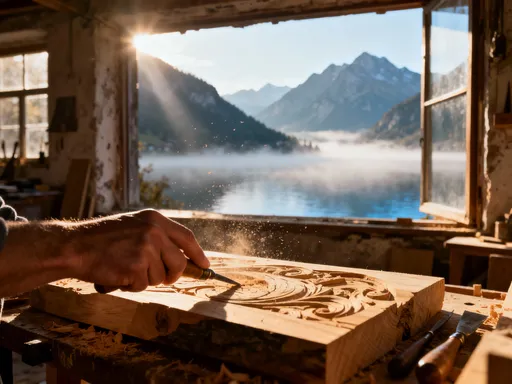
What makes Jaipur’s art scene particularly resonant for travelers today is its authenticity. Unlike curated museum exhibits or commercialized craft markets, the city offers living, working spaces where art is not displayed behind glass but created in real time. This organic fusion of daily life and artistic practice invites deeper engagement. Visitors aren’t merely observers; they become part of a continuing narrative. Whether it’s the rhythmic tapping of a stone carver or the intricate tracing of a block printer’s design, these sounds and movements form the city’s creative rhythm.
Moreover, the resurgence of interest in handmade and sustainable art has given new momentum to local creators. Young designers are collaborating with traditional artisans, merging Rajasthani motifs with modern aesthetics to produce pieces that appeal to global sensibilities while honoring local roots. This synergy between old and new is not forced—it emerges naturally from a shared respect for skill, patience, and beauty. For the discerning traveler, especially those who value meaningful experiences over checklist tourism, Jaipur’s art spaces offer a rare opportunity to witness culture in motion.
Step Into the Ateliers: Where Craftsmen Keep Traditions Alive
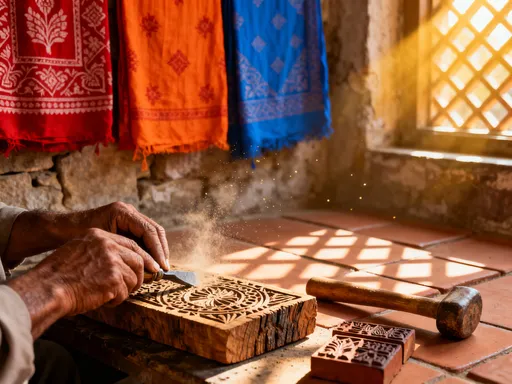
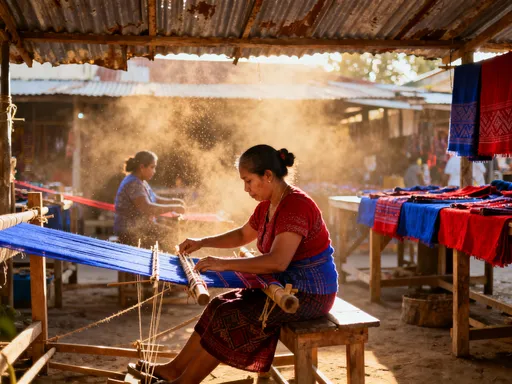
One of the most profound ways to connect with Jaipur’s artistic soul is by stepping into its working ateliers—modest studios tucked within narrow lanes, often hidden behind unassuming doors. These are not staged performances for tourists but real workshops where artisans spend their days perfecting centuries-old crafts. Among the most revered is hand-block printing, a technique that dates back over 500 years and remains central to Rajasthan’s textile legacy. In neighborhoods like Bagru and Sanganer, families operate small-scale printing units where cotton and silk are transformed into vibrant patterns using wooden blocks hand-carved with geometric and floral designs.
The sensory experience inside these studios is unforgettable. The air carries the earthy scent of natural dyes—indigo, pomegranate, turmeric—each derived from plants and minerals. You can hear the soft thud of wooden blocks pressed into fabric, repeated rhythmically like a heartbeat. Workers sit cross-legged on low platforms, their hands moving with precision and grace, applying layer upon layer of color in a process that can take days to complete a single piece. Watching them work is a lesson in patience, focus, and dedication—qualities that define the artisan’s way of life.
Another remarkable craft preserved in Jaipur is blue pottery, a Persian-influenced art form distinguished by its cobalt blue glaze and intricate white inlay work. Though not native to Rajasthan, it found a home here in the 14th century and has since evolved into a signature craft. Workshops in the suburb of Kripal Kumbh offer visitors a chance to see potters shaping clay on spinning wheels, carving delicate patterns, and firing pieces in kilns fueled by wood and gas. The result is a range of exquisite items—from vases and tiles to tea sets—that embody both elegance and utility.
Equally captivating are the gemstone cutting and jewelry-making studios, particularly in the vicinity of Johari Bazaar. Here, master craftsmen use tools that have changed little over generations to cut, polish, and set precious and semi-precious stones. Watching a lapidary artist transform a rough amethyst into a gleaming cabochon is nothing short of mesmerizing. These workshops welcome respectful visitors, especially those who come with genuine curiosity. The best time to visit is mid-morning, when natural light enhances visibility and artisans are fully engaged in their work. It’s customary to ask permission before entering and to refrain from touching tools or unfinished pieces. A small token of appreciation, such as purchasing a finished item, is always welcomed.
Johari Bazaar to Jhalana: Unexpected Corners with Creative Energy
While Johari Bazaar remains a well-known destination for jewelry and textiles, venturing beyond this bustling market reveals a quieter, more intimate side of Jaipur’s creative landscape. In lesser-known neighborhoods like Sardar Market and the lanes behind Tripolia Bazaar, local artists are reclaiming forgotten corners, converting old havelis and vacant storefronts into pop-up galleries and collaborative studios. These spaces often fly under the radar of mainstream tourism, offering a refreshing contrast to the crowded souks and souvenir stalls.
One such gem is the growing street art movement in the industrial outskirts near Jhalana Desert Safari Park. Once overlooked, this area has become a canvas for young muralists who use walls to tell stories of heritage, ecology, and urban life. Supported by local NGOs and cultural initiatives, these artists transform dull concrete surfaces into vivid narratives that reflect both Rajasthani identity and global themes. A walk through these streets feels like flipping through the pages of an open-air storybook—one moment you’re staring at a life-sized depiction of a folk dancer in traditional ghagra, the next at a surreal fusion of peacocks and geometric patterns.
What makes these spaces special is their accessibility and lack of pretense. There are no entry fees, no formal exhibitions—just art that exists alongside daily life. Children play beneath murals, shopkeepers sweep in front of painted walls, and dogs nap in the shade of color-splashed alleys. This integration of art into the fabric of ordinary life is deeply moving. It reminds visitors that creativity doesn’t need grand institutions to thrive; sometimes, all it needs is a wall and a vision.
For travelers seeking discovery without the crowds, these areas offer a sense of adventure and serendipity. Exploring them on foot or by bicycle allows for spontaneous encounters—perhaps a conversation with a painter at work, or an invitation to view a private collection in a resident’s courtyard. The journey itself becomes part of the experience, rewarding those who wander with open eyes and an open heart.
Rising Collectives: The New Wave of Jaipur’s Art Identity
At the forefront of Jaipur’s artistic evolution are artist collectives—community-driven spaces that nurture collaboration, experimentation, and cultural preservation. These collectives are not just studios; they are hubs of social change, where tradition is not preserved in isolation but revitalized through dialogue and innovation. One notable example is the Anokhi Museum of Hand Printing, which began as a private collection and has grown into an educational center dedicated to sustainable textile practices. Through workshops, exhibitions, and archival displays, it connects visitors with the history and future of block printing.
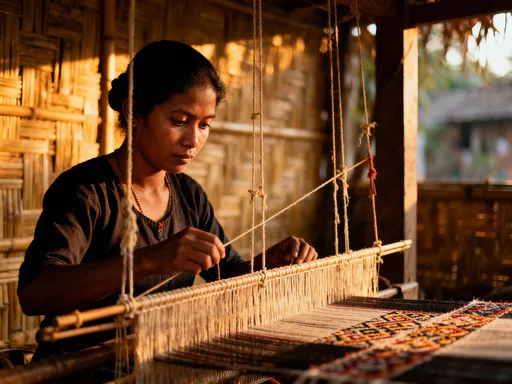
Another inspiring initiative is the Craft Village at Amer, a nonprofit-supported space that brings together artisans from rural Rajasthan to showcase their work in a dignified setting. Here, potters, weavers, and embroiderers demonstrate their skills while engaging directly with visitors. The collective model ensures fair wages and creative autonomy, empowering artists who might otherwise struggle to access urban markets. Travelers can participate in hands-on sessions, learning to print fabric or weave a simple pattern under expert guidance. These experiences foster empathy and understanding, bridging the gap between consumer and creator.
Equally impactful are mobile collectives like Art in Transit, which organizes pop-up exhibitions in schools, parks, and community centers across Jaipur. Their mission is to democratize art access, ensuring that creativity is not confined to galleries but shared with all. By featuring works from both established and emerging artists, they create a dynamic dialogue between generations and styles. Some collectives also partner with international designers, facilitating cross-cultural exchanges that elevate local crafts on the global stage.
For visitors, engaging with these collectives offers more than aesthetic pleasure—it provides a window into the values shaping Jaipur’s future. Participation can take many forms: attending an open studio day, enrolling in a short workshop, or even volunteering for a community art project. These interactions leave lasting impressions, transforming a fleeting visit into a meaningful connection.
Gallery Walks: From Heritage Havelis to Modern White Cubes
To fully appreciate Jaipur’s artistic breadth, a curated gallery walk offers an ideal introduction. The city blends historic architecture with contemporary curation, creating exhibition spaces that are as striking as the art they house. A recommended starting point is Jawahar Kala Kendra, a cultural center designed by the legendary architect Charles Correa. Inspired by the nine planets of Vedic astrology, the building itself is a work of art, with geometric courtyards and open-air performance spaces. Inside, rotating exhibitions feature photography, sculpture, and mixed media from regional and national artists, often with a focus on social themes and environmental awareness.
From there, a short drive leads to the restored havelis of Sadar Bazaar, where private collectors have transformed ancestral homes into intimate galleries. One such space, tucked behind a weathered wooden door, showcases miniature paintings that echo the Mughal and Rajput traditions. The atmosphere is hushed and reverent, with soft lighting enhancing the delicate brushwork and gold leaf details. Unlike commercial galleries, these venues often allow extended viewing time and direct interaction with curators, who are eager to share the stories behind each piece.
For a more modern aesthetic, the Jawahar Circle area hosts several ‘white cube’ galleries that spotlight contemporary Indian art. These minimalist spaces emphasize clean lines and neutral walls, allowing the artwork to take center stage. Exhibits here often challenge conventions—blending digital media with traditional motifs, or using recycled materials to comment on consumer culture. One recent installation featured embroidered tapestries made from discarded saris, each panel telling a different woman’s story through thread and color.
A well-paced half-day art walk might include Jawahar Kala Kendra in the morning, followed by lunch at a heritage café in a converted haveli, then visits to two or three smaller galleries in the afternoon. The ideal time to begin is around 10 a.m., when the light is soft and the city is still relatively quiet. Comfortable walking shoes, a water bottle, and a small notebook for reflections are recommended. This kind of immersive itinerary allows for contemplation and connection, turning a simple tour into a journey of discovery.
How to Experience Art Like a Local, Not a Tourist
To truly connect with Jaipur’s art scene, it helps to shift from the mindset of a spectator to that of a participant. Locals don’t rush through galleries or treat workshops as photo ops—they engage with intention and respect. One of the most important guidelines is timing: mornings are generally the best for visiting studios and markets, as artisans are more likely to be at work and receptive to conversation. Avoid weekends and festival days if you prefer quieter interactions, as these times attract larger crowds.
When approaching an artist, a simple greeting in Hindi—such as “Namaste, kya dekh sakta hoon?” (Hello, may I take a look?)—goes a long way. Always ask before taking photographs, and if photography is allowed, refrain from using flash, which can damage delicate pigments and disrupt concentration. Instead of treating artisans as attractions, view them as skilled professionals whose work deserves recognition. Ask thoughtful questions: “How long does it take to carve one block?” or “What does this pattern symbolize?” These inquiries show genuine interest and often lead to enriching conversations.
When it comes to purchasing, prioritize authenticity over convenience. Handmade pieces will have slight imperfections—a misaligned print, a subtle variation in dye—which are signs of human touch, not flaws. Compare prices across several outlets to understand fair market value, and remember that bargaining is expected but should be done politely. A reasonable offer respects the labor involved; haggling too aggressively undermines the dignity of the craft. Look for studios that display certificates of authenticity or partner with ethical cooperatives.
Supporting local art doesn’t always require a purchase. Attending a free exhibition, sharing a collective’s work on social media, or simply spending time listening to an artist’s story are meaningful ways to contribute. These small acts affirm the value of creativity in everyday life and help sustain the cultural ecosystem that makes Jaipur so special.
Why Art Spaces Are the Future of Meaningful Travel in Jaipur
As global travel evolves, more people are seeking experiences that go beyond sightseeing—they want connection, understanding, and transformation. Jaipur’s art spaces offer exactly that. They invite travelers to slow down, observe closely, and engage deeply. In a world increasingly dominated by mass production and digital replication, the act of witnessing handmade art—created with time, care, and cultural knowledge—feels profoundly grounding.
Moreover, supporting local art aligns with the principles of sustainable and mindful tourism. When visitors choose to engage with authentic studios, ethical collectives, and community-based galleries, they contribute directly to the livelihoods of artisans and the preservation of endangered crafts. This form of tourism is not extractive; it is reciprocal. It honors the people behind the products and ensures that cultural heritage continues to thrive in a modern context.
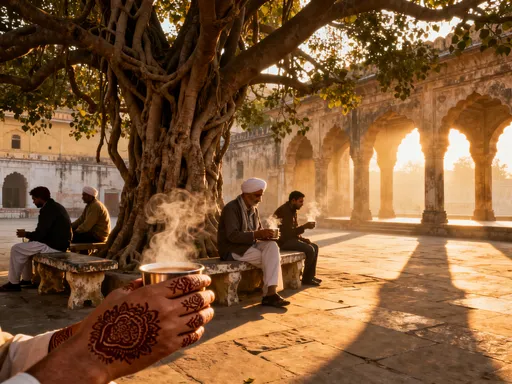
For women aged 30 to 55—many of whom value purposeful travel, family enrichment, and personal growth—Jaipur’s art journey offers a rare blend of inspiration and introspection. It’s a chance to step away from routine, reconnect with creativity, and return home with more than souvenirs: stories, skills, and a renewed sense of wonder. Whether learning to print fabric, standing before a hand-painted mural, or holding a cup of chai in a sunlit courtyard studio, these moments become touchstones of memory.
Jaipur is not just a destination to be seen. It is a living gallery, a breathing archive, a conversation between past and present. To walk its art paths is to listen to the heartbeat of a culture that values beauty, resilience, and craftsmanship. So the next time you plan a journey, consider this: the most unforgettable experiences aren’t found in guidebooks. They’re discovered in quiet alleys, whispered by artisans, and painted on walls waiting to be noticed. Let Jaipur remind you that travel, at its best, is not about ticking off landmarks—but about opening your heart to the stories that shape a place.