Chasing Charm in Chittagong: A Slow Travel Love Letter to Hidden Crafts and Local Soul
You know that feeling when a place just gets you? Chittagong wasn’t on my radar, but slowing down here revealed something magical—handwoven textiles, fragrant spice markets, and artisans shaping heritage with their hands. This isn’t just travel; it’s connection. If you're craving authenticity over checklists, let me show you why this coastal gem deserves your time and heart. Nestled between the rolling hills of southeastern Bangladesh and the Bay of Bengal, Chittagong offers more than meets the eye. It invites you not to rush, but to pause, to breathe in the rhythm of daily life, and to discover beauty in the handmade, the unhurried, and the deeply human.
Why Chittagong? Redefining the Travel Pace
Often overlooked in favor of Dhaka or Sylhet, Chittagong holds a quiet power that unfolds only to those willing to move slowly. As Bangladesh’s second-largest city and primary seaport, it has long been viewed through an economic lens—industrial cranes dotting the skyline, cargo ships gliding along the Karnaphuli River, and the constant hum of commerce. Yet beneath this surface lies a cultural heartbeat few travelers take time to feel. Chittagong is where the country’s maritime history, indigenous hill communities, and Islamic traditions converge, creating a layered identity that rewards curiosity and patience.
Modern tourism often prioritizes speed—checking off landmarks, snapping photos, and moving on. But slow travel flips this script. It’s about presence: staying longer in one place, engaging with locals, and allowing experiences to unfold naturally. In Chittagong, this approach transforms a simple walk through a neighborhood into a narrative of resilience, craftsmanship, and community. The city’s pace, shaped by its tropical climate and riverine geography, encourages stillness. Morning fog lingers over the water. Afternoon heat slows movement. Evenings are spent on doorsteps, sipping tea and watching life pass by.
For many women in their 30s to 50s—often juggling family, work, and personal well-being—this kind of travel is not just refreshing; it’s restorative. It offers a rare chance to step outside the demands of daily routine and reconnect with what matters: human connection, creativity, and a sense of belonging. Choosing Chittagong is not about ticking off a bucket list; it’s about choosing depth over distance, meaning over momentum. And in doing so, travelers often find that the journey changes them far more than the destination.
First Impressions: Beyond the Port City Stereotype
Arriving in Chittagong can be overwhelming at first. The airport is modest, the roads busy, and the air thick with the scent of diesel, jasmine, and frying onions. Sounds layer upon one another—honking rickshaws, call to prayer from nearby mosques, children shouting as they cross the street. At first glance, it feels chaotic, a city in constant motion. But within hours, a different rhythm emerges—one of warmth, resilience, and quiet dignity.
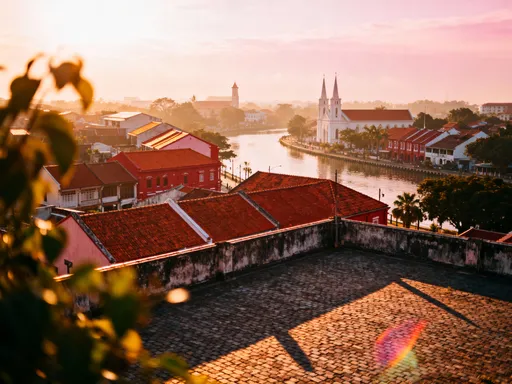
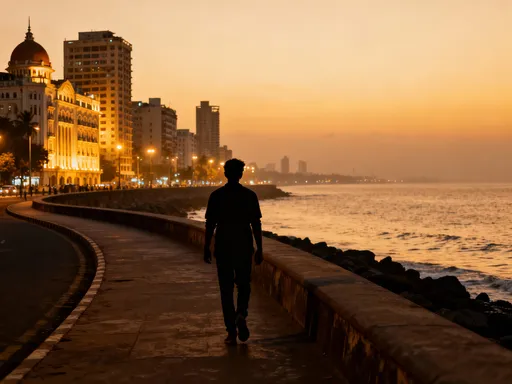
The stereotype of Chittagong as a gritty industrial hub doesn’t capture its soul. Beyond the port and commercial zones, neighborhoods like Agrabad, Patenga, and Badamtali reveal a more intimate side. Tree-lined streets, colonial-era buildings with peeling paint, and small tea stalls where men and women gather to talk politics or family news—all speak to a city that values conversation and community. In Patenga, along the riverbank, families stroll in the evening, children fly kites, and couples sit on benches watching the sun dip below the water.
What stands out most is the kindness of strangers. A shopkeeper offers a seat and a glass of water without expecting a purchase. An older woman smiles and gestures for you to try a piece of sweet coconut barfi. A rickshaw driver patiently explains the best route to a market, even if it means a shorter fare. These small gestures, so common they go unnoticed by locals, become profound moments of connection for visitors. They remind us that hospitality isn’t performance—it’s practice, woven into the fabric of daily life.
For women travelers, especially those seeking meaningful, safe, and enriching experiences, Chittagong offers a rare balance. It’s vibrant without being overwhelming, traditional without being rigid, and open without losing its authenticity. The city doesn’t cater to tourists—it welcomes people. And that distinction makes all the difference.
The Art of Waiting: Finding Specialty Products Through Patience
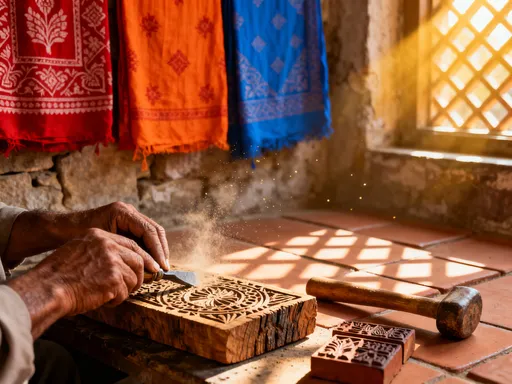
In a world of instant gratification, Chittagong teaches the quiet art of waiting. Nowhere is this more evident than in its craft traditions. Here, making something by hand isn’t a weekend hobby—it’s a legacy. From the hillside villages of the Chakma and Marma communities to the narrow lanes of old Chittagong, artisans spend days, even weeks, creating textiles, baskets, and pottery that carry stories in every stitch and curve.
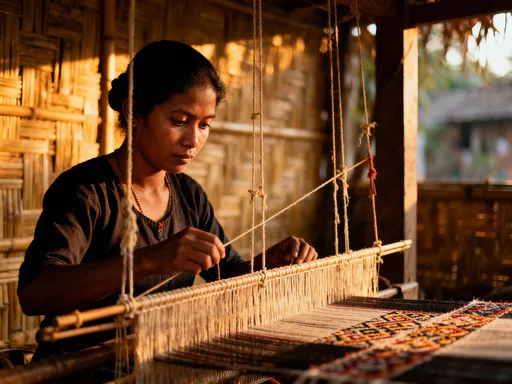
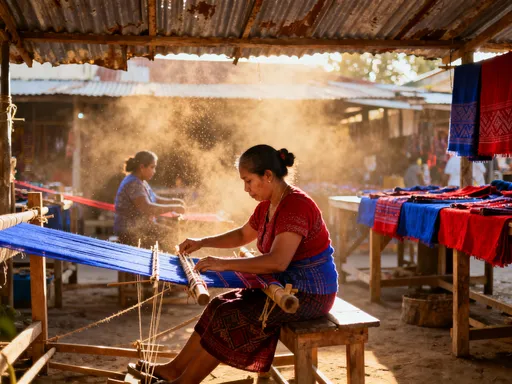
One of the most treasured crafts is hand-loomed weaving. In villages like Rangamati and Bandarban—accessible as day trips from Chittagong—women sit at wooden looms, their fingers moving with practiced ease. The patterns they weave—geometric motifs, nature-inspired designs, and symbols passed down through generations—are not just decorative; they are cultural codes. A red border might signify marriage. A zigzag line could represent a mountain range. Each piece is unique, never replicated exactly, because the weaver pours her own memory into the work.
Visiting a small workshop in a quiet alley of the city, I met Ayesha, a third-generation potter who shapes clay vessels using techniques unchanged for decades. Her hands, rough from years of molding and smoothing, moved with grace. She explained that each pot is made for a purpose—cooking, storing water, or use in religious ceremonies. “When you rush,” she said, “you lose the shape. You lose the spirit.” Her words stayed with me. In a world obsessed with efficiency, her philosophy was radical: slowness as integrity.
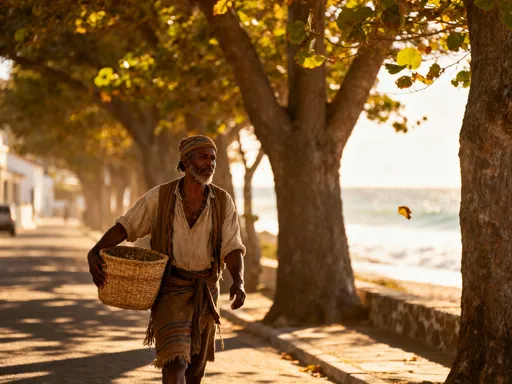
Bamboo crafts are another hallmark of the region. Skilled artisans weave baskets, mats, and even furniture from locally harvested bamboo. These items are not only functional but sustainable—biodegradable, durable, and beautifully simple. To see them is to appreciate the harmony between human ingenuity and natural resources. And to buy one is to support a way of life that resists mass production and honors craftsmanship.
The lesson here is clear: if you want to find the soul of Chittagong, you cannot rush. You must sit, observe, listen. You must allow time for a weaver to finish a row, for a potter to smooth the rim of a bowl, for a vendor to tell you why this pattern matters. Because in that waiting, you don’t just acquire an object—you receive a story.
Markets That Breathe: A Slow Wander Through Chittagong’s Bazaars
No visit to Chittagong is complete without losing yourself in its markets. Not the polished shopping malls, but the real ones—the crowded, colorful, aromatic bazaars where life unfolds in real time. Zinda Bazar and New Market are not just places to shop; they are living ecosystems of culture, economy, and community. Here, locals come not for spectacle, but for sustenance—buying spices, fresh produce, clothing, and household goods.
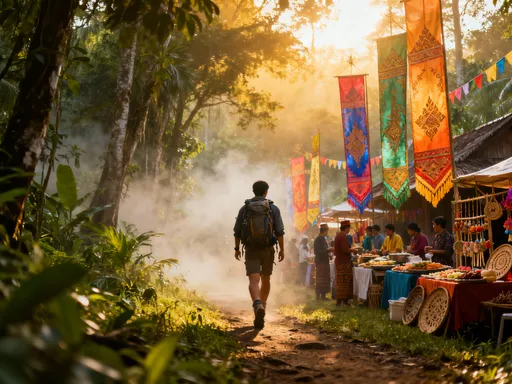
Walking through Zinda Bazar in the early morning is an immersion in scent and sound. Stalls overflow with turmeric, cumin, coriander, and cardamom, their colors vibrant against woven baskets. Dried fish hang in neat rows, a regional specialty that adds depth to local curries. Handmade soaps infused with neem and sandalwood sit beside bundles of fresh lemongrass and mint. The air is warm, spiced, alive. Vendors call out prices, but not aggressively—there’s a rhythm to the bargaining, a dance of respect.
What makes these markets special is the people behind the stalls. They are not faceless sellers; they are keepers of knowledge. One woman, selling hand-ground spice mixes, explained how her grandmother taught her which blend soothes digestion and which warms the body in winter. A man repairing brass utensils shared how his father did the same work for forty years. These conversations, brief as they may be, transform shopping into storytelling. You’re not just buying turmeric—you’re learning how it’s sun-dried, why it’s mixed with mustard oil, and when it’s best used in a meal.
Bargaining, often seen as transactional, becomes something deeper here. It’s a ritual of mutual respect. A smile, a polite refusal, a small compromise—these gestures build trust. And when you finally agree on a price, it feels less like a victory and more like a shared understanding. For women travelers, this interaction can be empowering. It’s not about winning a deal; it’s about connecting across language and culture, finding common ground in the simple act of exchange.
These markets are not curated for tourists. There are no signs in English, no souvenir trinkets. What you find is real—products made for local use, by local hands. And that authenticity is precisely what makes them unforgettable.
From Maker to Table: Experiencing Craft in Daily Life
The true magic of Chittagong’s crafts lies not in display, but in use. Unlike museum pieces locked behind glass, these creations are part of everyday life. Staying in a family-run homestay or community lodge offers a rare chance to live with them—to eat from hand-thrown pottery, sleep under handwoven quilts, and drink tea from wooden trays carved by local artisans.
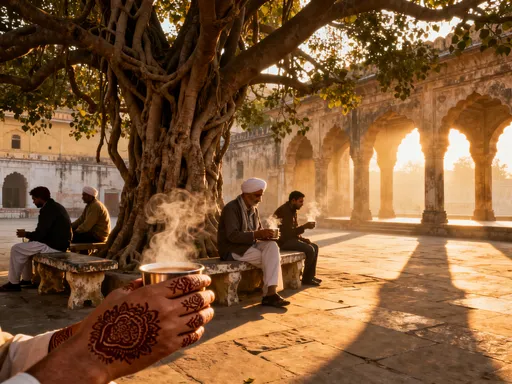
One evening, I was invited to join a tea ceremony hosted by a local family. It wasn’t formal or ritualized, but deeply intentional. The tea, a fragrant black blend from the Sylhet region, was served on a tray carved from jackfruit wood. The cups were small, made of thick clay that retained heat. As we sipped, the matriarch explained how each item had been made by someone she knew—her cousin’s husband who carves wood, a neighbor who throws pottery, a friend from the hills who wove the cushion on the chair. “We don’t buy from factories,” she said. “We buy from people.”
Another day, I joined a group of women preparing a traditional meal in a neighborhood kitchen. The stove was clay, fueled by dried banana leaves. The pots were brass, passed down through generations. We cooked shukto, a mixed vegetable dish with a bitter-sweet sauce, using a wooden spoon carved from bamboo. As we stirred, laughed, and shared stories, I realized how craft and community are inseparable here. The tools aren’t just functional; they’re familial, carrying memories and relationships.
This integration of craft into daily life is a quiet act of resistance against disposability. In a world where plastic containers and mass-produced goods dominate, Chittagong offers a different model—one where objects have names, makers, and histories. Using these items isn’t nostalgic; it’s sustainable, meaningful, and deeply satisfying. For women who value home, care, and tradition, this way of living feels both familiar and inspiring.
It also invites reflection: how much of what we own has a story? How often do we know the hands that made our things? In Chittagong, the answer is simple—most do. And that connection brings a quiet joy.
Slow Travel in Action: Practical Tips for Deeper Engagement
Embracing slow travel in Chittagong doesn’t require grand gestures—just small, intentional choices. The first is where you stay. Opt for family-run guesthouses or community lodges over international hotels. These accommodations not only support the local economy but offer richer interactions. Hosts often share meals, recommend hidden spots, and introduce guests to neighbors, creating a web of connection that guidebooks can’t provide.
Transportation is another opportunity for immersion. Rickshaws—both cycle and auto—are affordable, eco-friendly, and perfect for short trips. Drivers often double as informal guides, pointing out landmarks and sharing local news. For longer journeys, local buses offer a glimpse into daily life, though they can be crowded. Walking, whenever possible, is the best way to absorb the city’s rhythm. Quiet lanes, riverfront paths, and market alleys reveal details you’d miss from a vehicle.
Timing matters. To experience markets without crowds, visit early in the morning—between 7 and 9 a.m. Workshops are often open in the late morning, when artisans are most active. Afternoons are best for rest, as the heat peaks. Evenings, when the city cools, are ideal for strolls, tea, and conversation.
Language can be a bridge, not a barrier. While Bengali is the main language, many people in Chittagong understand basic English, especially in tourist-adjacent areas. Learning a few phrases—“Assalamu alaikum” (peace be upon you), “Dhonnobad” (thank you), “Ki vabe aashen?” (how are you?)—goes a long way. But more important than words are gestures: a smile, eye contact, a patient pause. These nonverbal cues convey respect and openness, often more powerfully than speech.
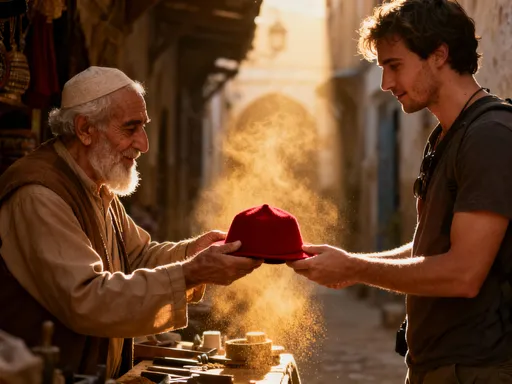
When engaging with artisans or vendors, ask questions gently. Instead of “How much?” try “Who made this?” or “How long did it take?” These questions show interest in the craft, not just the price. And when you purchase something, do so with gratitude, knowing your support helps preserve a tradition.
Why This Journey Matters: The Lasting Impact of Mindful Travel
Traveling slowly through Chittagong changes more than your itinerary—it changes your perspective. In a world that often feels fragmented and fast, this city offers a reminder: life doesn’t have to be rushed to be meaningful. Beauty exists in the handmade, the imperfect, the unhurried. Connection grows not from grand experiences, but from small, sincere moments—a shared cup of tea, a story told over spices, a pattern woven with care.
For women who carry the weight of caregiving, decision-making, and emotional labor, this kind of travel is not indulgence—it’s nourishment. It offers space to breathe, to reflect, to remember that you, too, are part of a larger human story. And by choosing to travel with intention, you do more than enrich your own life—you support communities, sustain traditions, and honor the quiet dignity of those who make, grow, and share.
Every purchase of a handwoven scarf, every conversation with a potter, every meal cooked with local tools contributes to a more sustainable, equitable form of tourism. It says: I see you. I value your work. I want to carry a piece of your world with me.
And so, as you leave Chittagong—perhaps with a basket in hand, a new recipe in mind, or simply the memory of a sunset over the river—you take more than souvenirs. You carry a quiet wisdom: that the richest journeys are not the longest, but the deepest. That true charm is not found in perfection, but in presence. And that sometimes, the most powerful way to explore the world is to simply slow down, look closely, and let a place get you.