Road-Tripping Tuscany: Hidden Gems and Local Flavors You Gotta Taste
Driving through Florence isn’t just about ticking off landmarks—it’s a sensory journey. Winding roads lead to sun-drenched vineyards, family-run farms, and markets bursting with handcrafted goods. I discovered that going off-route revealed the real Tuscany: olive oils pressed by generations, leather crafted in tiny workshops, and wines poured with pride. This is travel with soul—slow, authentic, and deeply personal. Let me show you how the open road unlocks Florence’s best-kept secrets.
Why Self-Driving Transforms Your Florence Experience
Traveling through Tuscany by car changes everything. It shifts the rhythm of your journey from one of schedule and restriction to one of freedom and discovery. Public transportation in Florence is reliable, but it operates on fixed routes and timetables that often bypass the quiet countryside where true Tuscan life unfolds. Tour buses pack visitors into tight windows of time, leaving little room for lingering in a sunlit piazza or stopping at a roadside stand selling fresh peaches. With your own vehicle, you reclaim control. You decide when to leave, where to pause, and how long to stay.
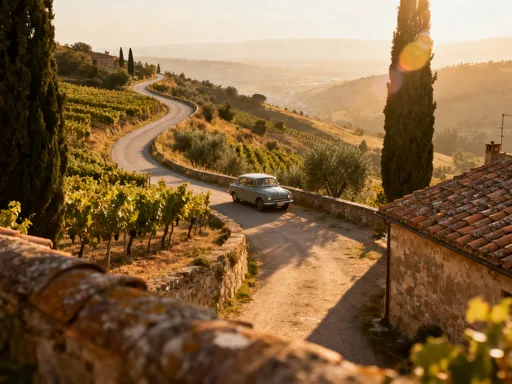
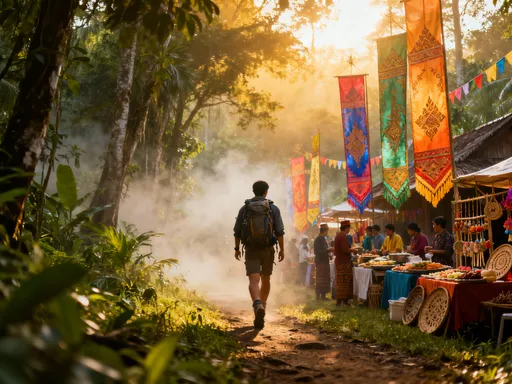
The real magic of self-driving lies in spontaneity. Imagine rounding a curve and spotting a cluster of cypress trees guarding an old stone farmhouse with a sign that reads “Olio Nuovo”—new olive oil for sale. Without a car, you’d drive past it, wondering. With one, you pull over, meet the farmer, taste oil still warm from pressing, and leave with a bottle wrapped in straw. These unplanned moments are not luxuries—they are the essence of authentic travel. They allow you to connect with the region not as a spectator, but as a guest welcomed into daily life.
Additionally, driving enables access to villages perched high on hills, reachable only by narrow, winding roads. Towns like Montaione or San Gimignano offer panoramic views and centuries-old traditions, yet they remain refreshingly uncrowded because they’re just beyond the reach of most group tours. By car, you arrive not with a herd, but on your own terms. This independence fosters a deeper appreciation for the landscape and its people. You begin to notice patterns—the way light falls across terracotta rooftops at dusk, the scent of rosemary carried on the breeze, the sound of church bells echoing down valleys. These details compose the true character of Tuscany, and they reveal themselves only to those who travel slowly and with intention.
Planning Your Route: Balancing Iconic Sights and Hidden Corners
A well-planned itinerary is the foundation of a rewarding road trip through Tuscany. The key is balance: honoring the must-see landmarks while leaving space for serendipity. Begin in Florence, where the Duomo’s marble dome dominates the skyline and the Uffizi Gallery houses masterpieces by Botticelli and Michelangelo. Spend a full day exploring the city’s heart—Ponte Vecchio, Piazza della Signoria, and the Mercato Centrale. But don’t stay confined. Use Florence as a launchpad for day trips into the surrounding countryside.
A suggested five-day loop could start with a morning drive to Fiesole, a quiet hilltop town just 15 minutes from the city. Its Etruscan ruins and Roman theater offer history with a view. From there, head south through the Chianti region, pausing in Greve in Chianti, a charming market town known for its wine and weekly artisan fairs. Continue to Castellina or Radda in Chianti, both fortified medieval villages where time moves slowly and locals greet each other by name.
On day three, aim for the lesser-visited Montespertoli, a village celebrated for its organic vineyards and olive groves. It’s off most tourist maps, yet it offers an ideal glimpse into rural Tuscan life. Day four could take you west toward the rolling hills of the Val d’Orcia, a UNESCO World Heritage landscape dotted with cypress avenues and thermal springs. Pienza, with its Renaissance urban design and famous pecorino cheese, makes a perfect stop. Return to Florence on day five, perhaps with a final detour to a local agriturismo for a farewell meal.
When planning, always consider timing. Mornings are best for driving—roads are quieter, light is softer, and towns are less crowded. Avoid entering Florence’s historic center during peak hours, as it is surrounded by ZTL zones—limited traffic areas enforced by cameras. Fines for unauthorized entry can be steep. Use GPS apps like Google Maps or Waze, but double-check whether your route crosses into restricted zones. When in doubt, park outside the center and walk in. This small adjustment protects your budget and enhances your experience, allowing you to explore the city on foot without stress.
The Heart of Tuscany: Finding Authentic Specialty Products Off the Beaten Path
Tuscany’s soul lives in its craftsmanship. Beyond the postcard-perfect vistas, the region thrives on traditions passed down through generations. Family-run farms, dairies, and workshops produce goods that reflect the land’s richness and the people’s dedication. To experience this authenticity, you must venture beyond the tourist hubs. The real treasures are not found on crowded souvenir rows near the Duomo, but along quiet country lanes where a hand-painted sign points to a cheese maker or an olive mill.
One of the most rewarding discoveries is Tuscan olive oil. Unlike mass-produced versions, genuine extra virgin olive oil from Tuscany is cold-pressed, harvested early, and bursting with flavor—often peppery, grassy, and complex. It’s made in small batches, usually by families who have tended the same groves for decades. Similarly, pecorino cheese—especially the aged variety from Pienza—is crafted from sheep’s milk and aged in natural cellars, developing a sharp, nutty profile. Chianti wine, made primarily from Sangiovese grapes, tells the story of the soil and climate in every sip.
To find these authentic products, look for signs that say “vendita diretta”—direct sale. This means the producer sells straight from the source, cutting out middlemen and preserving both quality and tradition. Avoid shops that offer “leather outlets” with suspiciously low prices or “artisan markets” that feel staged. Genuine craft takes time, and those who practice it are proud to explain their process. Ask questions. Learn how olives are harvested by hand, how milk is gently heated in copper vats, or how leather is tanned using natural vegetable extracts. These conversations deepen your appreciation and ensure you’re supporting real artisans, not mass-produced imitations.
Olive Oil & Vineyards: A Taste of Liquid Gold and Sun-Kissed Grapes
No road trip through Tuscany is complete without visiting an agriturismo—a working farm that welcomes guests. These rural estates are the heartbeat of the region’s culinary identity. Many operate year-round, offering tastings, tours, and overnight stays. They provide a rare opportunity to witness food and wine production firsthand, from harvest to table.
Visit an olive mill in late October or November, during the harvest season. You’ll see workers spreading freshly picked olives on mesh trays, feeding them into stone mills, and watching as golden oil flows into stainless steel tanks. The aroma is intoxicating—green, sharp, alive. Farmers often invite visitors to taste the new oil on warm bread, a simple act that reveals its quality. A good Tuscan olive oil should sting the throat slightly, a sign of high polyphenol content and freshness. Ask about the cultivars—Frantoio, Leccino, and Moraiolo are common in this region—and how the blend affects flavor.
Wine estates, particularly in Chianti Classico, offer equally immersive experiences. Spring and summer are ideal for touring vineyards, when rows of vines stretch across hills like green ribbons. Winemakers open their cantinas for tastings, guiding guests through vintages and explaining aging processes. You might sample a young, vibrant Rosso di Montalcino or a bold Brunello aged for years in oak. Many farms pair tastings with light meals—crostini, cured meats, and local cheeses—served on long wooden tables under pergolas.
When visiting these farms, respect their rhythms. Book tastings in advance, especially during harvest or holiday seasons. Arrive on time, dress modestly, and show genuine interest. These are working properties, not theme parks. Supporting them means more than buying a bottle; it means honoring the labor behind it. Some agriturismi offer hands-on experiences—helping with grape sorting or pressing olives—but these must be arranged ahead of time. Even a brief conversation with the farmer can leave a lasting impression, turning a simple stop into a meaningful connection.
Artisan Leather and Local Markets: Craftsmanship on Display
Florence has been synonymous with leather for centuries. The tanneries of Santa Croce, once located along the Arno River, gave rise to a tradition of excellence in hide treatment and design. Today, while many shops near tourist sites sell imported or synthetic leather goods, the true craft endures in quieter corners of the city and in nearby towns like Scandicci and Campi Bisenzio.
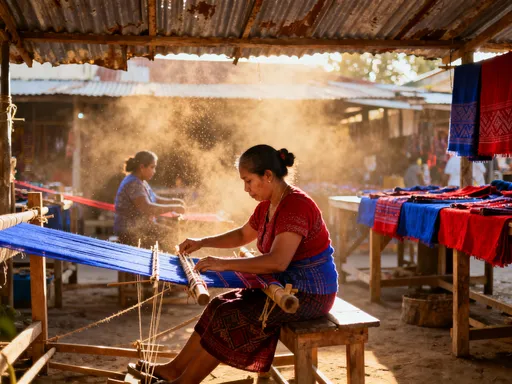
To find authentic Tuscan leather, seek out workshops that practice vegetable tanning—a natural process using tannins from tree bark instead of harsh chemicals. This method takes longer and costs more, but it produces leather that ages beautifully, developing a rich patina over time. The scent is distinct—earthy and warm, not sharp or artificial. Many artisans in these areas welcome visitors, offering tours of their studios where you can see hides hanging to dry, artisans cutting patterns, and bags being stitched by hand.
One of the best ways to support these craftspeople is by purchasing directly from their workshops. Look for signs that say “laboratorio artigianale” or “produzione propria.” These labels indicate that the items are made on-site, not outsourced. Compare the weight, stitching, and lining of products. Real leather feels substantial, with consistent grain and tight seams. Avoid items with peeling finishes, synthetic linings, or prices that seem too good to be true.
Local markets also offer opportunities to discover quality leather. The Mercato di Sant’Ambrogio in Florence, less touristy than San Lorenzo, features vendors who sell handcrafted belts, wallets, and gloves. Engage with the sellers. Ask where the leather comes from, how it’s treated, and how long the item took to make. These interactions not only help you identify authenticity but also create moments of human connection. In a world of mass production, buying a hand-stitched bag from a Tuscan artisan is an act of preservation—one that honors both skill and sustainability.
Practical Tips for Stress-Free Driving in Tuscany
Driving in Tuscany can feel daunting at first, especially for those unfamiliar with Italian roads. Narrow lanes, roundabouts, and medieval town centers not designed for cars can test your confidence. But with preparation, the experience becomes manageable—and even enjoyable. The first step is choosing the right rental car. Most rural roads are navigable by standard compact vehicles, but manual transmission is common in Europe. If you’re not comfortable with a stick shift, request an automatic when booking—though availability may be limited and prices higher.
Navigation is easier with a reliable GPS app. Google Maps and Waze work well in Tuscany and can be downloaded for offline use, which is helpful in remote areas with spotty service. Always double-check your route for ZTL zones, especially when approaching city centers. These restricted areas are marked by signs and monitored by cameras. Entering without authorization can result in fines ranging from 70 to 150 euros. To avoid this, park in designated lots outside the historic center and walk in. Many hotels and agriturismi offer parking, but confirm in advance.
Fuel stations are frequent on main highways but less common in the countryside. Fill up whenever you see a gas station, particularly before heading into hilly or isolated areas. Most stations are self-service, and many accept credit cards, though it’s wise to carry some cash. Emergency numbers are essential: dial 112 for general assistance, 113 for police, and 118 for medical help. Keep your rental agreement, insurance documents, and passport in the car, along with a warning triangle and reflective vest, which are legally required in Italy.
Roundabouts are common and usually function smoothly once you understand the rules. Vehicles already in the circle have the right of way. Signal your exit early and watch for scooters, which often weave unpredictably. In towns, parking can be tight. Look for signs that say “Parcheggio” and follow the color-coded lines: white for public, blue for paid, yellow for reserved. Never park on sidewalks or in front of driveways. Respect local rules, and you’ll avoid fines and foster goodwill.
Making Memories: How Slow Travel Deepens Connection
The greatest gift of a self-driven journey through Tuscany is time. Time to pause. Time to observe. Time to connect. When you travel slowly, the world opens up in ways that fast-paced tourism never allows. You begin to notice the small things—the way an elderly woman arranges figs at a market stand, the laughter from a family lunch spilling out of a trattoria, the golden light that floods a vineyard at sunset. These moments are not on any itinerary, yet they become the ones you remember most.
Slow travel is not about seeing more—it’s about experiencing more. It’s about stopping at a roadside fruit stand and buying a paper cone of cherries still warm from the sun. It’s about sharing a bottle of wine with a winemaker who tells you about his grandfather’s first harvest. It’s about getting slightly lost on a dirt road and stumbling upon a 12th-century chapel tucked between olive groves. These unplanned encounters are the soul of the journey.
Driving gives you the power to shape your own story. You’re not following a guidebook or a headset. You’re responding to the landscape, to your curiosity, to the rhythm of the day. This kind of travel fosters intimacy—with the place, with its people, and with yourself. You return home not just with photos and souvenirs, but with a deeper understanding of what it means to live deliberately.
Tuscany, in all its beauty, invites this kind of presence. Its hills, its flavors, its crafts—all speak of patience, care, and continuity. By choosing to drive, you align yourself with that spirit. You move at the pace of the land. You taste its seasons. You meet its keepers. And in doing so, you don’t just visit Tuscany—you become part of its story, if only for a little while. The road, after all, is not just a path from one place to another. It is the journey itself, rich with meaning, waiting to be discovered.